
How are heavy steel structures and light steel structures defined?
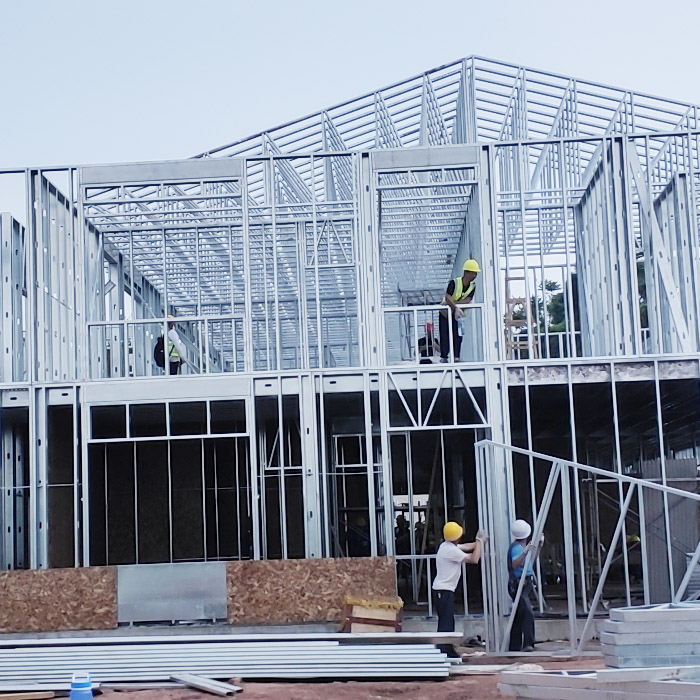 There is indeed no unified standard for judging whether a structure is heavy steel or light steel. Even many experienced designers or project managers cannot fully explain it clearly, but we can comprehensively consider and judge based on certain data:
1.Hoisting weight of factory building cranes: If it is greater than or equal to 25 tons, it can be regarded as a heavy steel structure.
2.Steel consumption per square meter: If it is greater than or equal to 50 kg/m², it can be regarded as a heavy steel structure.
3.Thickness of key component steel plates: If it is greater than or equal to 10 mm, it is rarely used in light steel structures.
4.In addition, there are some reference values: such as cost per square meter, maximum component weight, maximum span, structural form, eave height, etc. These can provide empirical data when judging whether a factory building is heavy steel or light steel. Of course, many current buildings use both light and heavy steel. However, some can be clearly identified as heavy steel structures, such as: petrochemical plant equipment, power plant workshops, large-span stadiums, exhibition centers, high-rise or super-high-rise steel structures.
5.In fact, there is no term "heavy steel" in national standards and technical documents. To distinguish it from light-weight building steel structures, it may be more appropriate to refer to ordinary steel structures as "general steel structures". Because the scope of general steel structures is very broad, including various steel structures regardless of load size, and even many contents of light steel structures. The Technical Code for Light-weight Building Steel Structures only specifies some more detailed contents according to its "light-weight" characteristics, and the scope is limited to single-story portal steel frames.
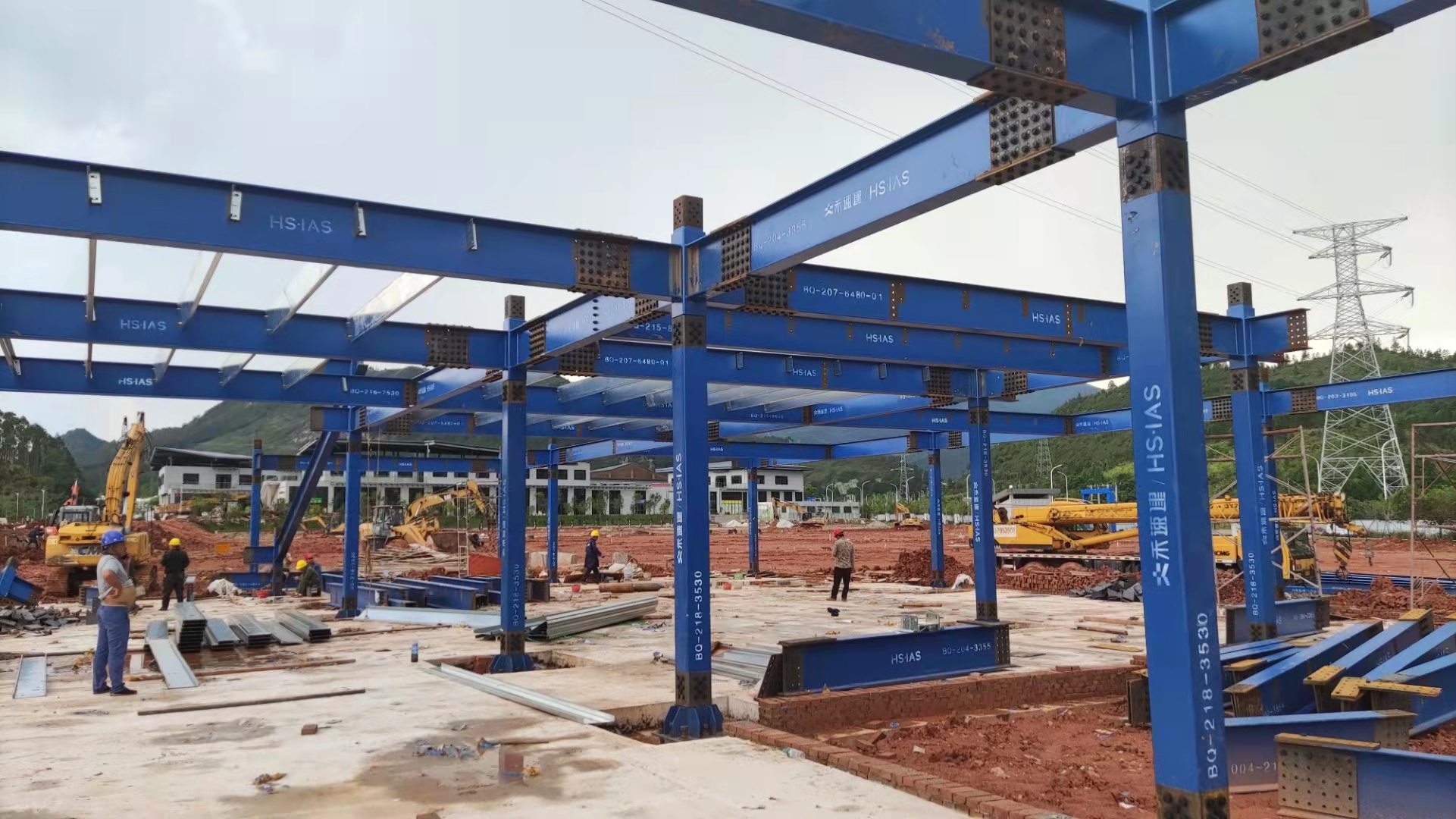
6."Light steel" is also a relatively vague term, which can generally be understood in two ways. One refers to the "light steel structures with round steel and small angle steel" in Chapter 11 of the current Code for Design of Steel Structures (GBJ 17-88), which refers to light steel structures made of round steel and angle steel smaller than L45×4 and L56×36×4. It was mainly used in small and medium-sized structures that were not suitable for reinforced concrete structures during the period of steel shortage, and is now rarely used. Therefore, it is mostly inclined to be removed in the revision of this steel structure design code. The other refers to the single-story solid-web portal steel frame structure with light-weight roof trusses and light-weight walls (infilled walls can also be used under certain conditions) as specified in the Technical Code for Portal Steel Frame Light-weight Building Steel Structures. The "light-weight" here mainly refers to the use of light-weight materials for the enclosure system. Since the former is almost abolished, the current meaning of light steel mainly refers to the latter.
7.It can be seen that the distinction between light steel and heavy steel does not lie in the weight of the structure itself, but in the weight of the enclosed materials it bears, and the structural design concept is consistent.
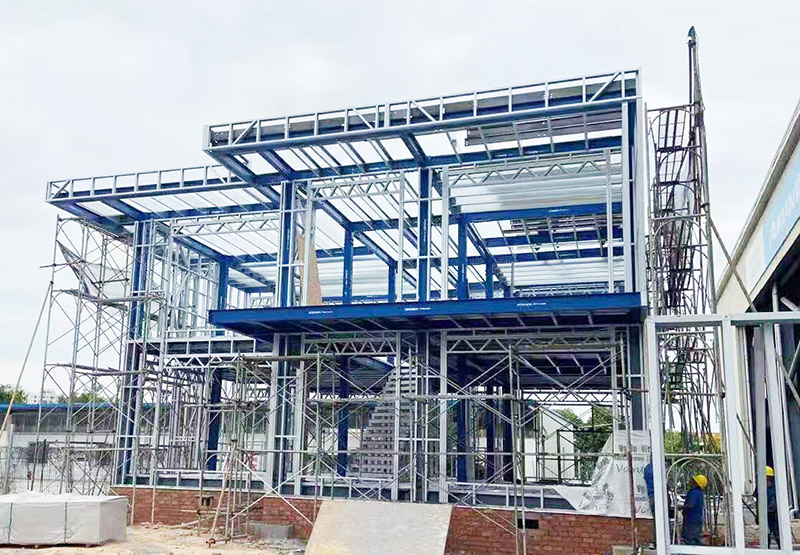
Dahe Rapid Construction's hybrid light-heavy steel buildings have a steel consumption of 45-50 kg per square meter, with fully digital intelligent robotic welding joints. They feature high precision and excellent welding quality, avoiding errors caused by manual welding.