
Material Composition of Xinzhijiang Light Steel Villas
Light steel villas are no longer a new building product, and market prices vary significantly. Customers always compare options before making a purchase. Adhering to the concept of constructing high-quality buildings, Xinzhijiang is committed to creating comfortable and safe residences for clients. Below is a detailed overview of the material composition of our light steel villas.
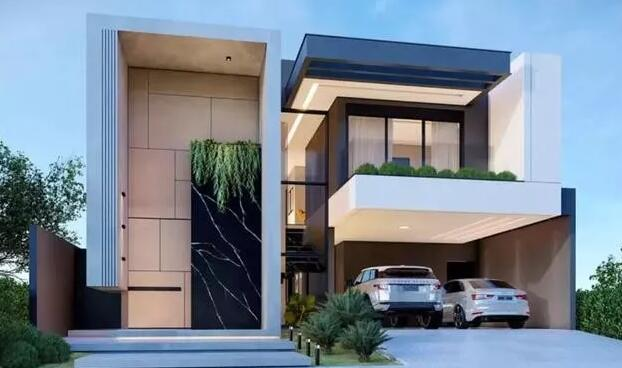
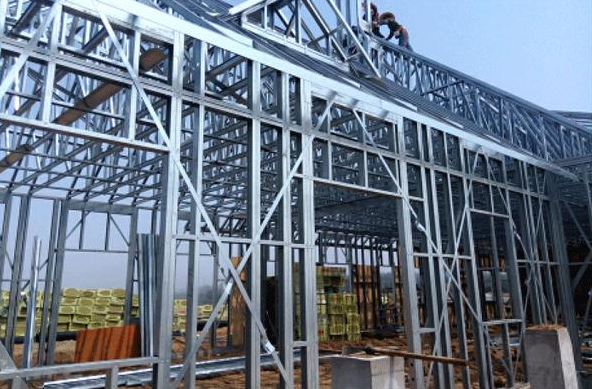
I. Main Structure
The main structure of the light steel villa is cold-formed from hot-dip galvanized aluminum steel, featuring high density, high toughness, and excellent stability. The anti-corrosive hot-dip galvanized aluminum coating reaches over 275g/㎡, ensuring long-term corrosion resistance in harsh environments. Meanwhile, it boasts superior seismic and wind resistance performance—withstanding magnitude 9 earthquakes and level 13 typhoons—meeting national standards for the overall load-bearing capacity of the building.
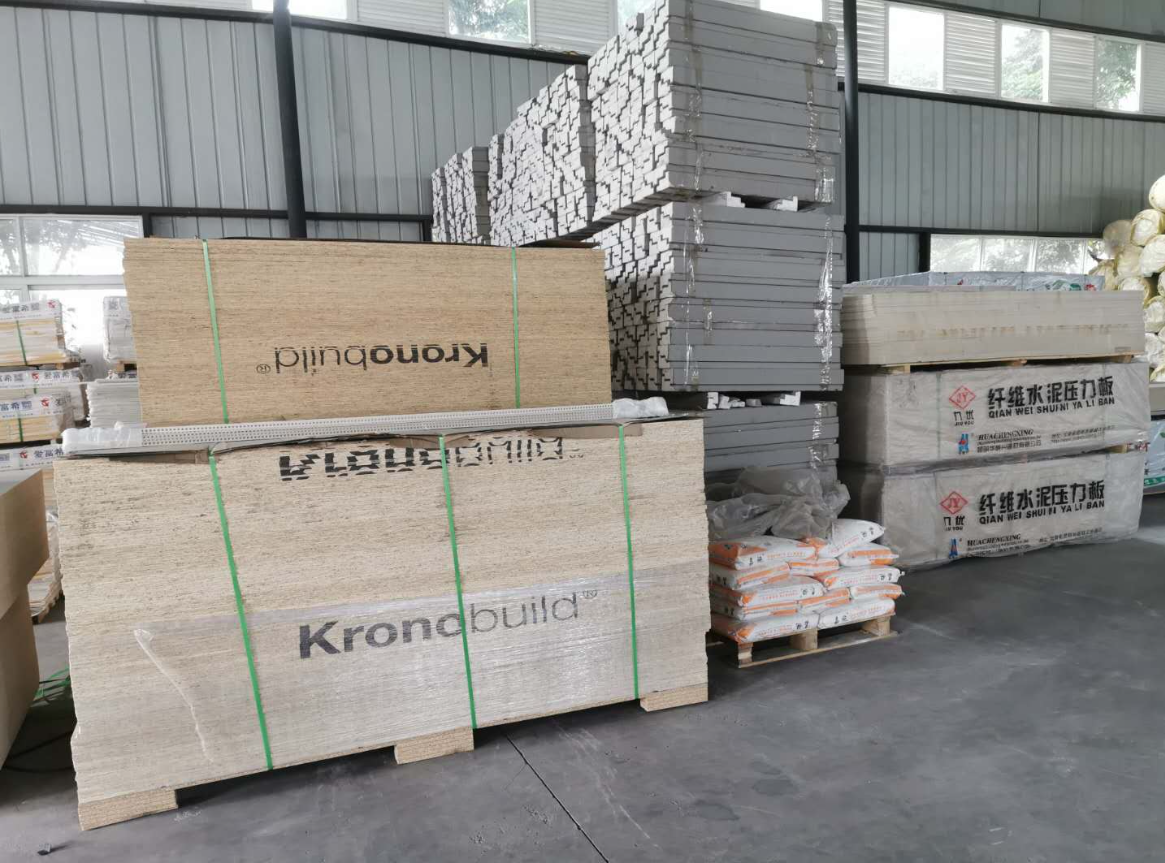
II. OSB (Oriented Strand Board): Structural Panels for Internal/External Walls, Roofs, and Floors
OSB, short for Oriented Strand Board, is an environmentally friendly structural panel made from small-diameter softwood and hardwood logs (such as eucalyptus, Chinese fir, poplar thinnings, etc.), which are widely available. It can be manufactured into large-format panels (e.g., 8×32 feet or 12×24 feet). The production process involves multiple advanced technologies: wood strands (typically 50-80mm in length, 5-20mm in width, and 0.45-0.6mm in thickness) are dried, screened, glued, oriented and laid in crisscross layers, and then continuously hot-pressed into shape. Depending on technical grades (types) and intended uses, OSB can be applied in dry or humid conditions.
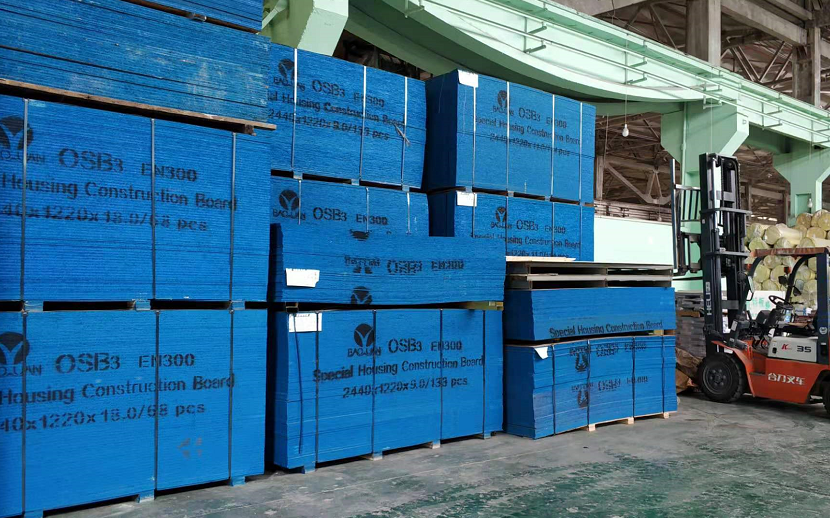
OSB is classified into 4 grades:
OSB 1: General-purpose non-load-bearing panels for dry indoor environments.
OSB 2: Load-bearing panels for dry indoor environments.
OSB 3: Load-bearing panels for humid environments (commonly used structural panels in construction).
OSB 4: Heavy-load-bearing panels for humid environments.
When encountering low-cost light steel villas, please exercise caution—they may either use non-OSB 3 panels or other types of particleboards.
III. Glass Fiber Cotton: Filling Material for Ceilings, Walls, and Floors
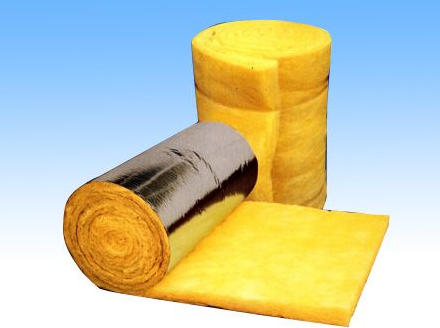
Glass fiber cotton is an artificial inorganic fiber made from natural ores (such as quartz sand, limestone, dolomite) as the main raw materials, mixed with chemical materials (e.g., soda ash, borax) and melted into glass. In the molten state, the glass is blown into flocculent fine fibers by external force. These fibers are intertwined in a three-dimensional crosswise structure, forming numerous tiny gaps (regarded as pores). As a porous material, it exhibits excellent thermal insulation and sound absorption properties.Features: Antibacterial, mold-resistant, anti-aging, corrosion-resistant, ensuring a healthy living environment with superior thermal insulation.
IV. Breathable Waterproof Membrane: External Wall Waterproofing and Ventilation
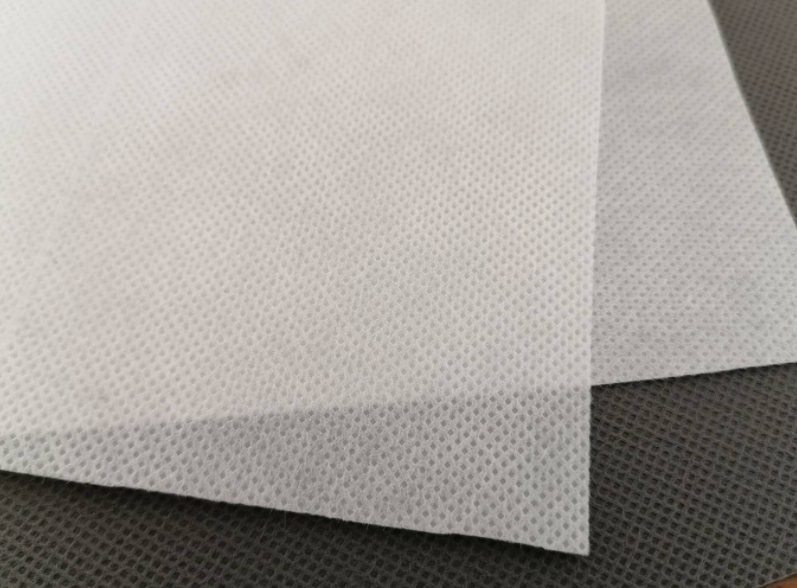
Made of a special new fiber material, the membrane features an extremely fine microporous structure. The minimum diameter of water droplets is approximately 0.02mm, while the diameter of water vapor molecules is only 0.0000004mm—there is a huge difference between the two. Based on the principle of diffusion through concentration gradients, water vapor can freely pass through the micropores, while liquid water and water droplets cannot penetrate the membrane due to surface tension.Features: Exceptional waterproof performance. When tightly wrapped around the building exterior, it protects the structure from rainwater erosion.
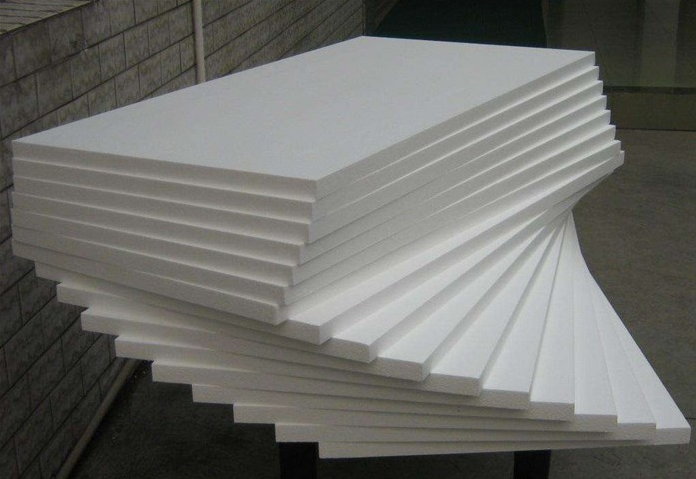
V. Extruded Polystyrene (XPS) Board: External Wall Thermal Insulation
XPS (Extruded Polystyrene Foam Board) is a rigid foam plastic panel produced by heating and mixing polystyrene resin with polymers, injecting a catalyst, and then extruding to form a continuous closed-cell foam structure. It is widely used in wall insulation, low-temperature storage facilities, parking platforms, building concrete roofs, and structural roofs.Features: Extremely low water absorption (almost non-hygroscopic), moisture-proof (poor air permeability), lightweight, corrosion-resistant, low thermal conductivity, high compressive strength, anti-aging, long service life, and eco-friendly—an excellent thermal insulation material.
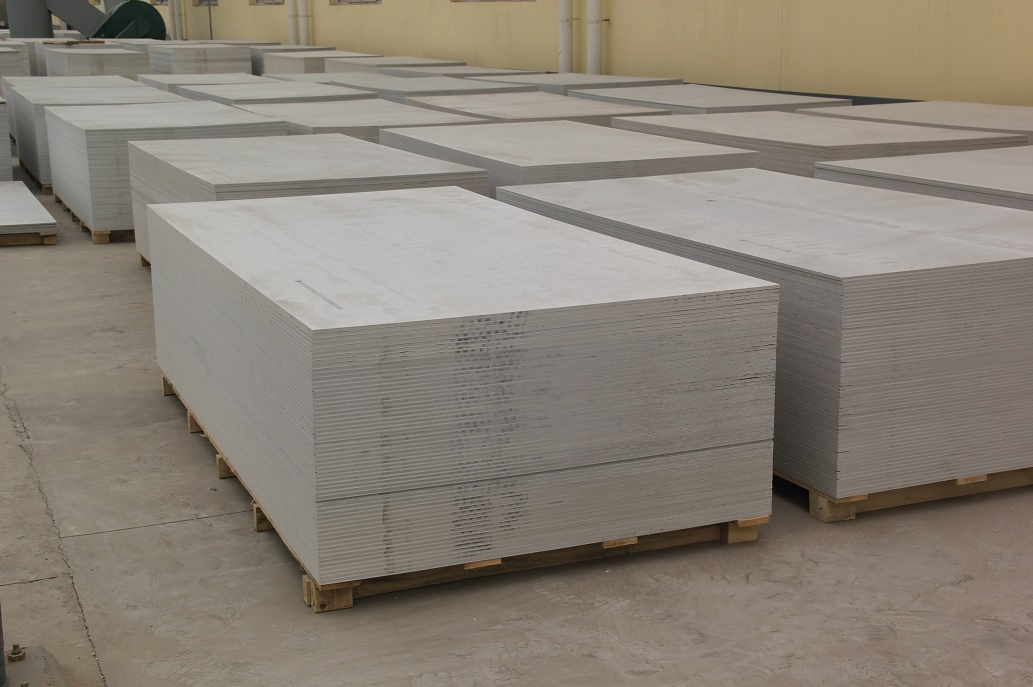
VI. Calcium Silicate Board: Ceiling and Internal Wall Panels
Calcium silicate boards are made from loose short fibers (e.g., inorganic mineral fibers or cellulose fibers) as reinforcing materials and siliceous-calcareous materials as the main binding agents. The production process includes pulping, forming, and accelerated curing in high-temperature, high-pressure saturated steam to form a calcium silicate gel structure. It is a new type of building and industrial panel with excellent performance.Features: Fire-resistant, insulating, moisture-proof, thermal insulating, soundproof, safe, and non-toxic.
VII. Gypsum Board: Ceiling and Internal Wall Panels
Gypsum board is made primarily from building gypsum. It is a lightweight building material with high strength, thin thickness, easy processing, and excellent sound insulation, thermal insulation, and fire resistance properties. As one of the key developed new lightweight panels, it offers the following advantages:Features: Lightweight, high compressive strength, thin thickness, soundproof, thermal insulating, fire-resistant, and capable of regulating indoor humidity for a comfortable living environment.
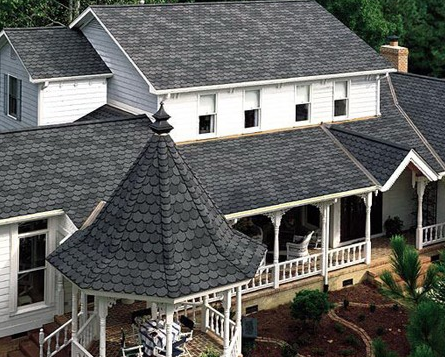
Advantages of Light Steel Structure Houses
1.Wind Resistance: Withstands storms with wind speeds of 70m/s (above level 12 wind resistance).
2.Seismic Resistance: Resists magnitude 9 rare earthquakes, suitable for areas with seismic intensity of 9 degrees or above.
3.Sound Insulation: External walls achieve 75dB sound insulation; internal walls achieve 55dB sound insulation.
4.Thermal Insulation: 160mm-thick light steel sprayed composite walls have a thermal resistance of 3.2㎡·K/W—6 times that of traditional Chinese buildings.
5.Fire Safety: Class A fire resistance rating.
6.Load-Bearing Capacity: Supports a load of over 500kg/㎡.
7.Air Tightness: n50=0.45, meeting German passive house air tightness standards (n50≤0.6).
8.Environmental Friendliness: All materials are non-toxic, harmless, and radiation-free, and can release negative ions, fully complying with environmental protection requirements.
9.Energy Efficiency: 65% more energy-efficient than traditional energy-saving buildings.
10.Construction Period: Reduced by two-thirds compared to traditional Chinese buildings.
11.Usable Floor Area Ratio: 8%-10% higher than traditional Chinese buildings.
12.Service Life: Up to 100 years for the main structure.
Sichuan Xinzhijiang Prefabricated Building Technology Co., Ltd.
We specialize in R&D of hybrid heavy-light steel structure solutions, providing design, production, materials, and technical support for numerous light steel villa enterprises.