
Prefabricated Construction: Steel Structure Buildings
Prefabricated construction is no longer a novel concept. As early as the 20th century, Le Corbusier proposed the idea that "a house is a machine for living in," aiming to free architecture from the constraints of materials and structures and transform it into a spatial product that better meets human needs.
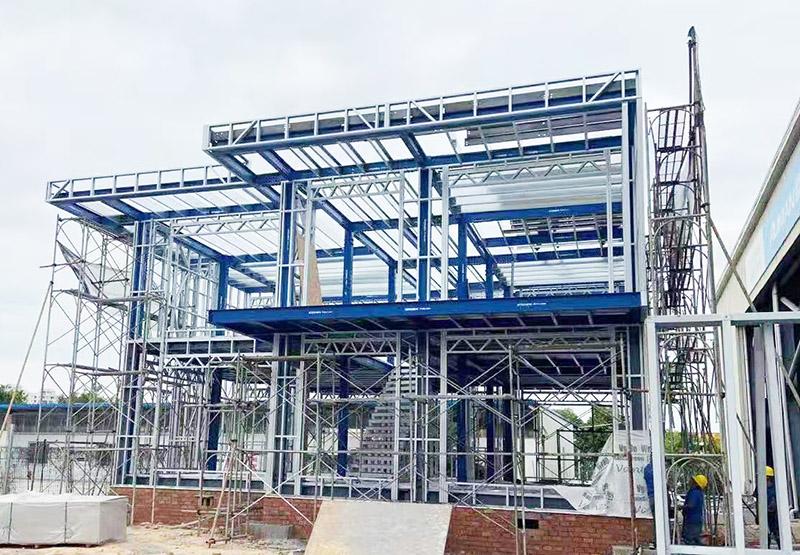
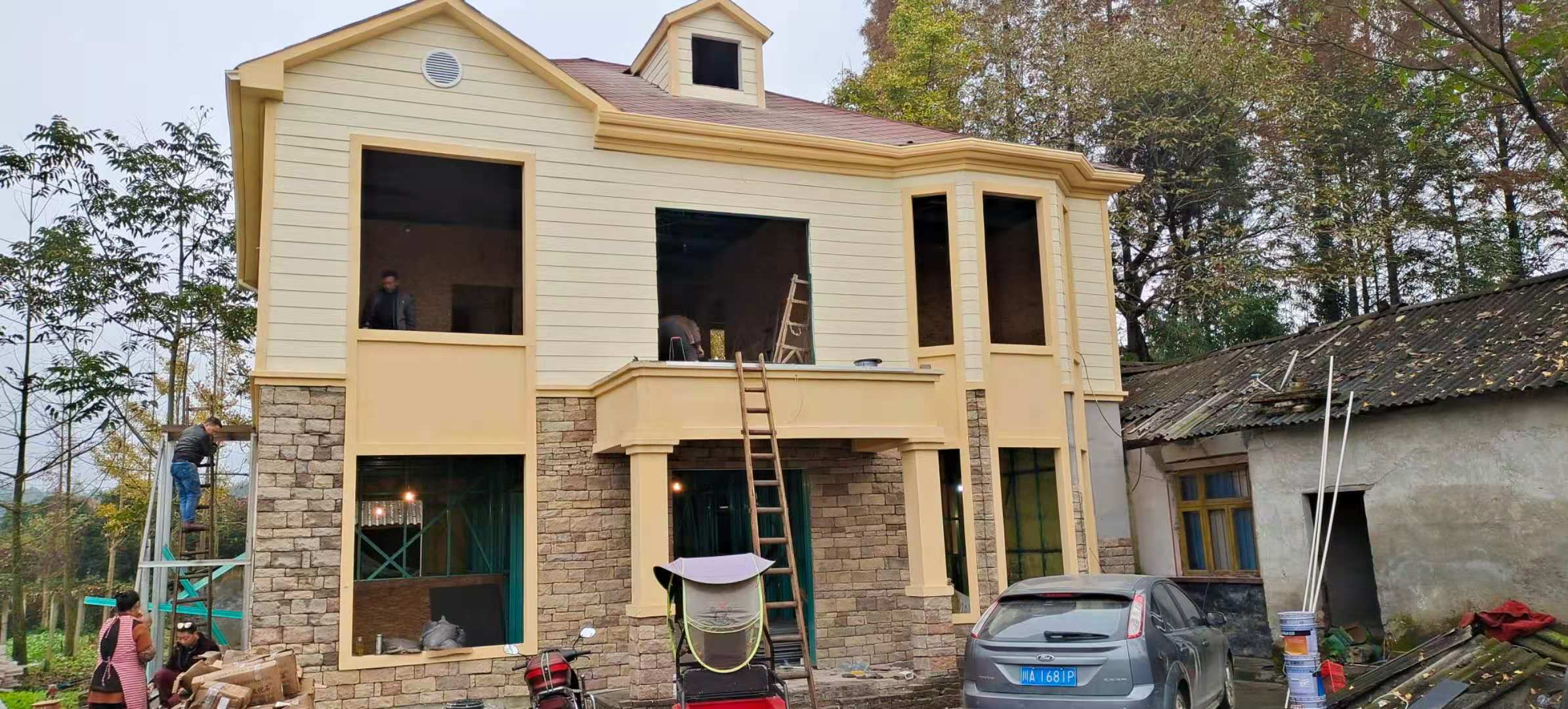
Today, let’s revisit: What exactly is prefabricated construction? It mainly refers to a construction method where a large amount of on-site work in traditional building processes is transferred to factories. Building components and accessories (such as floor slabs, wall panels, stairs, balconies, etc.) are processed and manufactured in factories, transported to the construction site, and assembled on-site using reliable connection methods to form the final building.
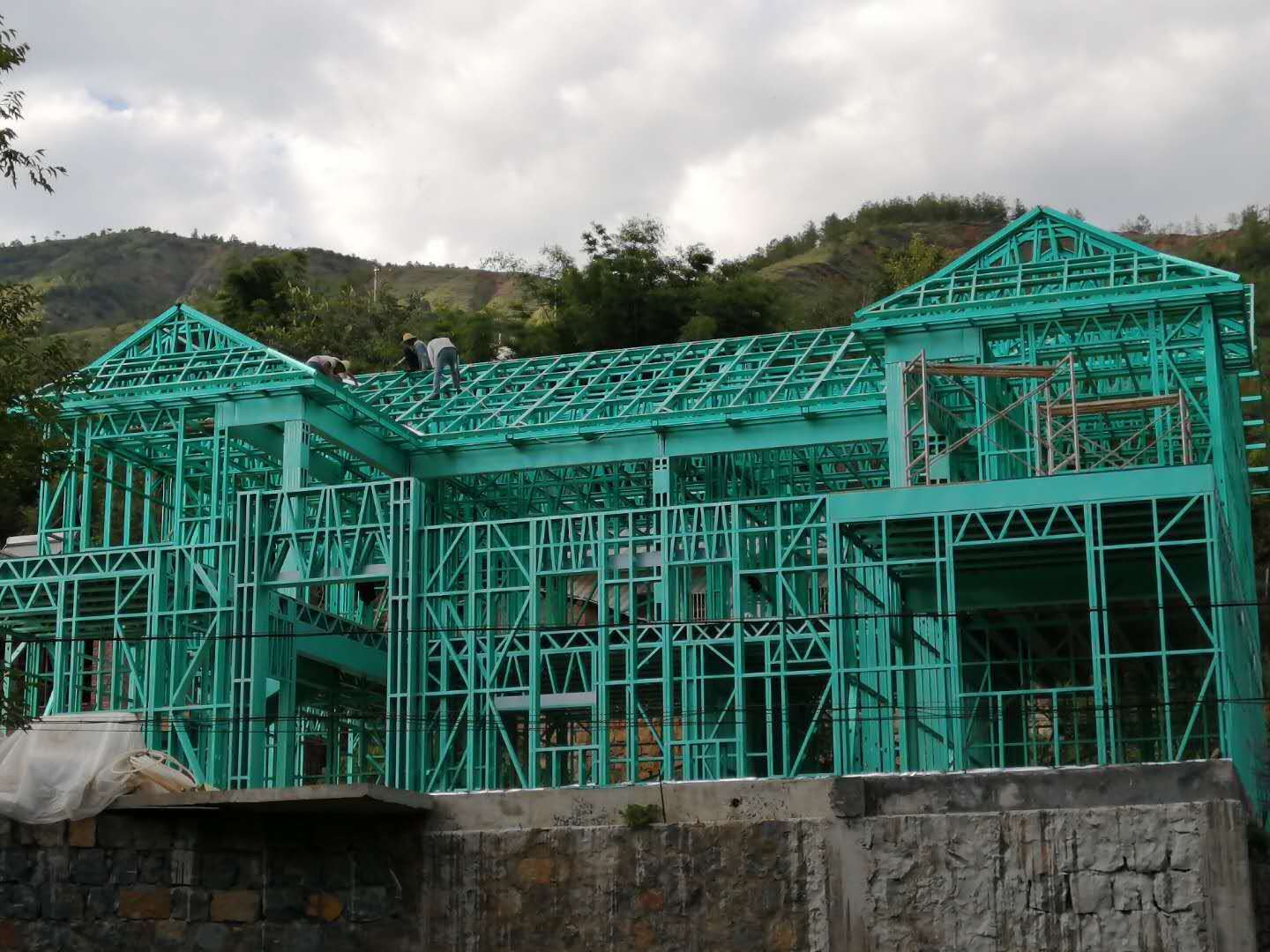
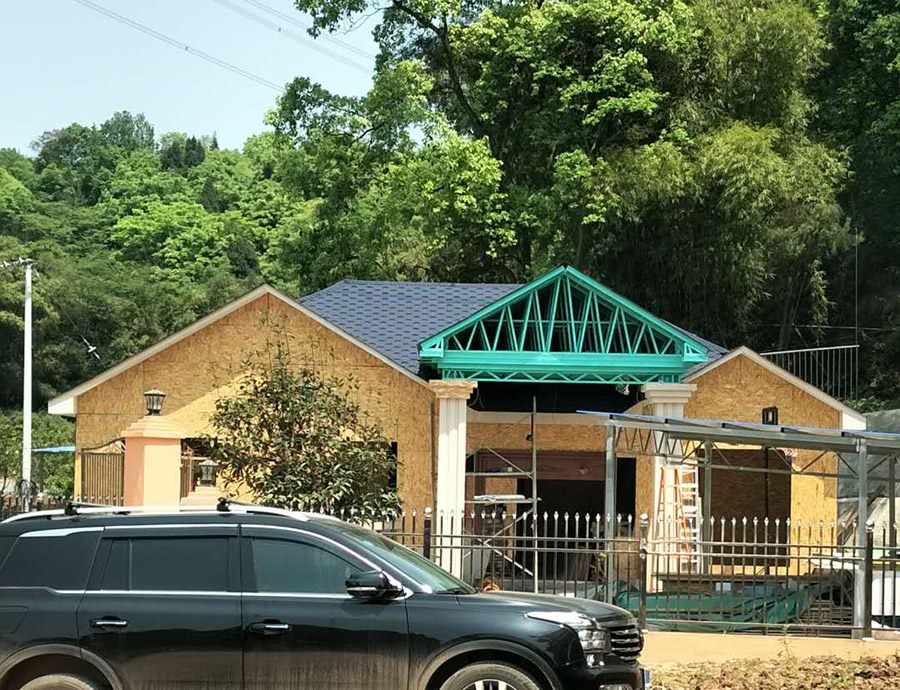
Prefabricated construction mainly includes precast concrete structures, steel structures, and modern wood structures. Characterized by standardized design, factory production, assembled construction, information-based management, and intelligent application, it represents a modern industrialized production method.
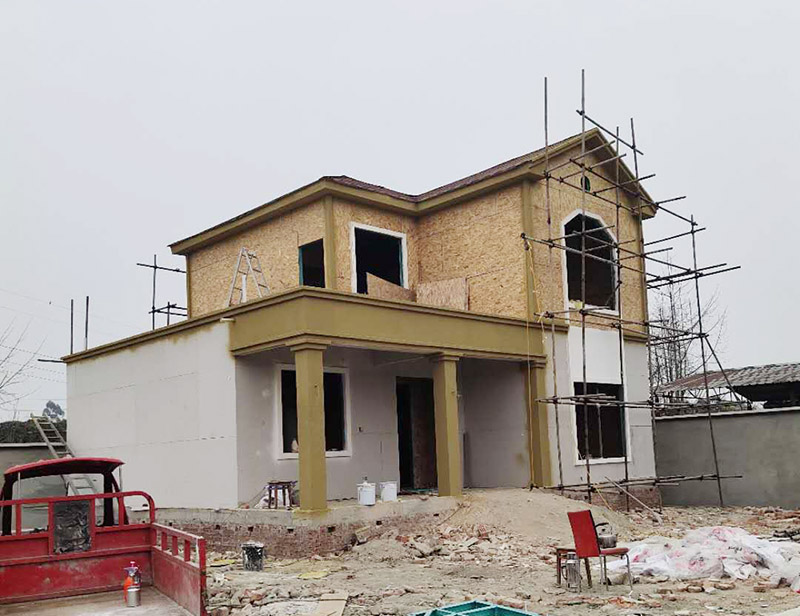
Characteristics of Prefabricated Construction:
1.A large number of building components are processed and completed in workshops. Key component types include: external wall panels, internal wall panels, composite slabs, balconies, air conditioning slabs, stairs, precast beams, precast columns, etc.
2.On-site assembly work is significantly reduced compared to traditional cast-in-place construction.
3.Integrates architectural design and interior decoration. Ideally, decoration can be carried out simultaneously with the main structure construction.
4.Standardized design and information-based management: The more standardized the components, the higher the production efficiency, and the lower the corresponding component costs. Combined with digital factory management, the cost-performance ratio of prefabricated buildings continues to improve.
5.Complies with green building requirements.
6.Energy-saving and environmentally friendly.
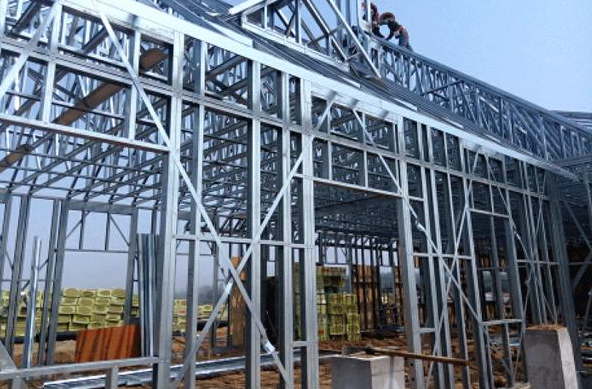
To thoroughly implement national policies, starting from August 1, 2021 (based on the date of obtaining a qualified construction drawing review certificate or completing self-review commitment), all new urban construction projects (including civil and industrial buildings) in Chengdu, Sichuan Province, must adopt prefabricated construction. The prefabrication rate for individual buildings or the average prefabrication rate of the project shall not be less than 50%. Among them, government-invested projects such as affordable housing, talent apartments, supporting housing in industrial parks, office buildings, and parking garages, as well as residential construction projects with a total construction area exceeding 200,000 square meters, shall have a prefabrication rate of not less than 60% for individual buildings or the average. All districts (cities) and counties are encouraged to actively promote the construction of prefabricated buildings with Grade A or higher.
The following projects are exempt from prefabricated construction requirements:
Building projects with a total construction area of less than 10,000 square meters;
Independent supporting facilities with a single-building construction area not exceeding 3,000 square meters and a total construction area not exceeding 10,000 square meters;
 Production workshops in industrial construction projects with special process requirements.
For building projects that cannot fully meet prefabricated construction requirements due to technical reasons such as seismic irregularities, special uses, or significant structural irregularities, the implementation standards may be appropriately adjusted after expert demonstration organized by the Chengdu Municipal Bureau of Housing and Urban-Rural Development.