
Prefabricated Eco-Energy-Saving Buildings — Light Steel Structure Houses
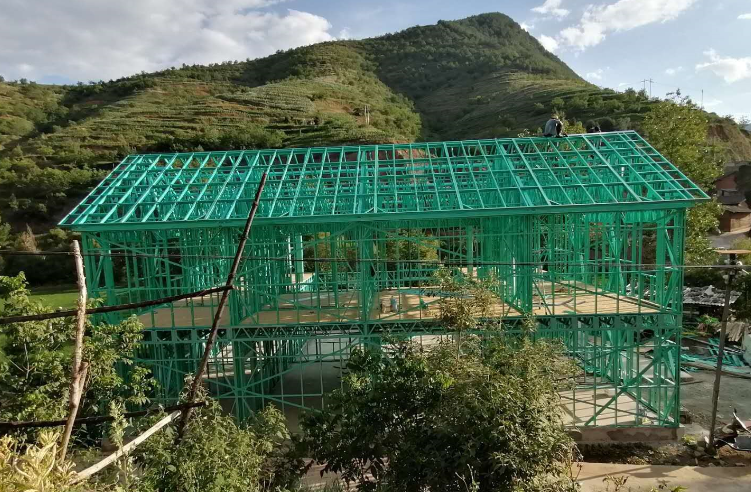
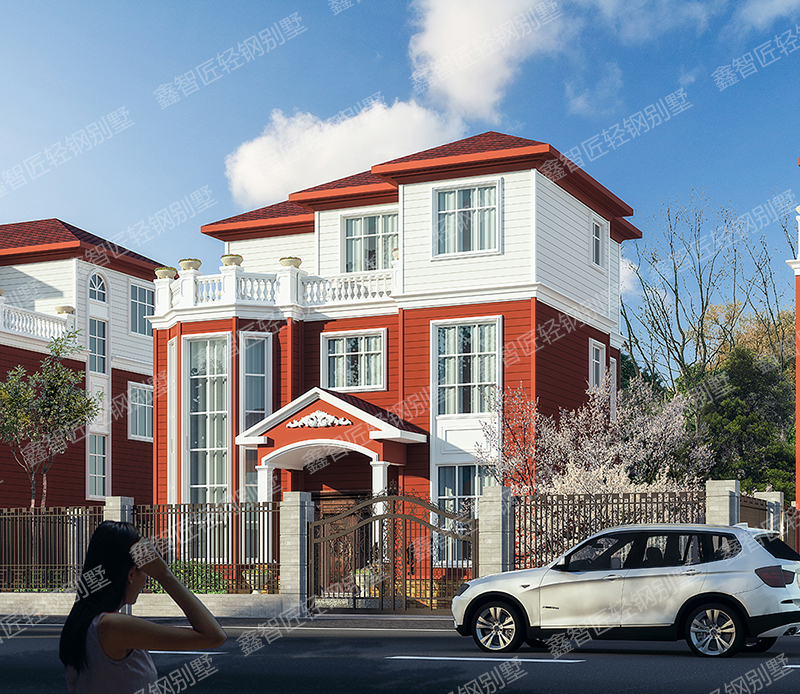
The picture shows a light steel system building.
Light steel system buildings have become a key focus in the development of industrialized green buildings due to their characteristics of light weight, excellent structural bearing capacity, wide applicability, and mature modern technical systems. Not only do light steel structures share advantages with precast concrete structures such as short construction cycles, high material utilization rates, low labor input, and relatively low project costs, but they also offer unique advantages in building energy conservation and emission reduction by improving the treatment of waterproofing, thermal insulation, and heat preservation structures. Light steel structures integrate industrialized construction technology with green building technology to achieve the overall goals of enhancing building quality and reducing energy consumption levels.
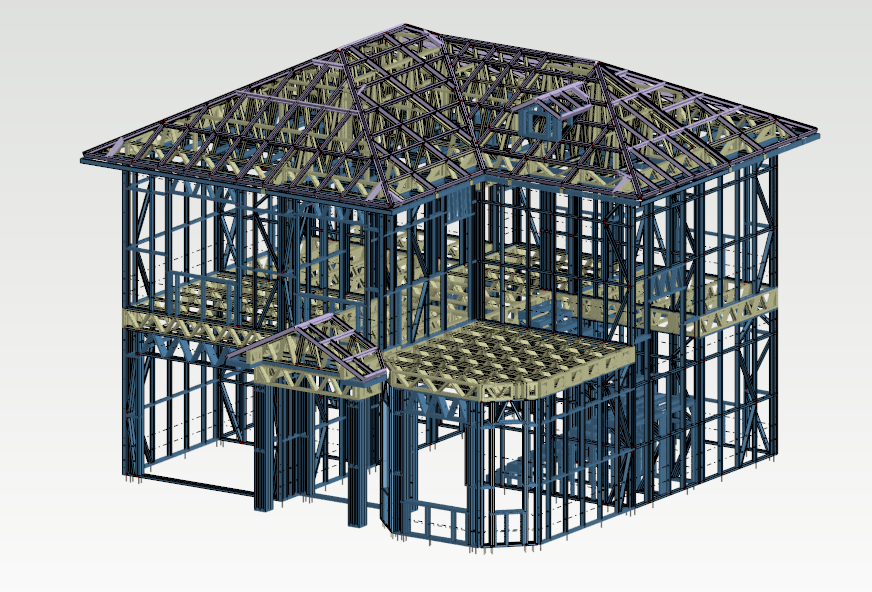
【Distinctive Advantages】
Light steel system building technology originated overseas and has developed rapidly due to its advantages of light weight, high strength, ease of production, durability, and recyclable materials. In 1965, light steel system buildings accounted for 15% of the U.S. construction market, and this proportion reached 75% by 2000; Japan’s light steel structure system development began in the 1950s, and by 1995, light steel structure prefabricated houses accounted for approximately 80% of all prefabricated houses in Japan; Europe proposed three types of light steel structure residential models (assembled, unitized, and hybrid) around the 1970s. In 1993, the European Committee for Standardization (CEN) and the European Convention for Constructional Steelwork (ECCS) collaborated to issue unified standards for the application of light steel structures in Europe.
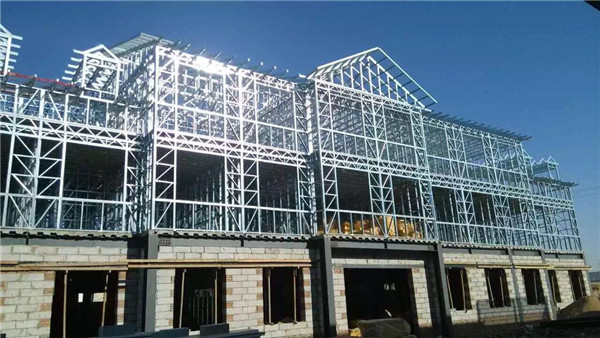
1:Mechanical adoption of overseas light steel system technologies is inappropriate in China. Due to the lack of guidance in architectural design for light steel system buildings, engineering practices based on structural and construction aspects often overlook differences in China’s climate and the characteristics/quality of locally produced building materials, leading to defects in thermal insulation, waterproofing, and durability in completed projects.
2:Promotion is concentrated in northern heating regions. The energy consumption problem of heating in northern China is severe; therefore, research on energy-saving and emission-reduction technologies tends to focus on North China, while research in regions with cold winters and cool summers, as well as regions with cold winters and hot summers, remains insufficient. China has a vast territory with significant climatic differences, so technical research on light steel system buildings should be carried out in accordance with local conditions.
3:Lack of research on passive house technology integration for light steel systems. As a key direction of China’s construction industrialization, the demand for integrating light steel system buildings with passive house technology will grow with the increasing requirements for building quality, energy conservation, and environmental protection.
4:No national light steel industrial chain cluster has been formed yet. Industrial integrated production is scattered, failing to achieve effective economies of scale.
5:Light steel system buildings require integrated design and construction of the entire house. Only the combination of design and construction can reduce costs. To truly exert the advantages of light steel buildings, it is imperative to realize the integrated design and construction of prefabricated buildings as soon as possible.
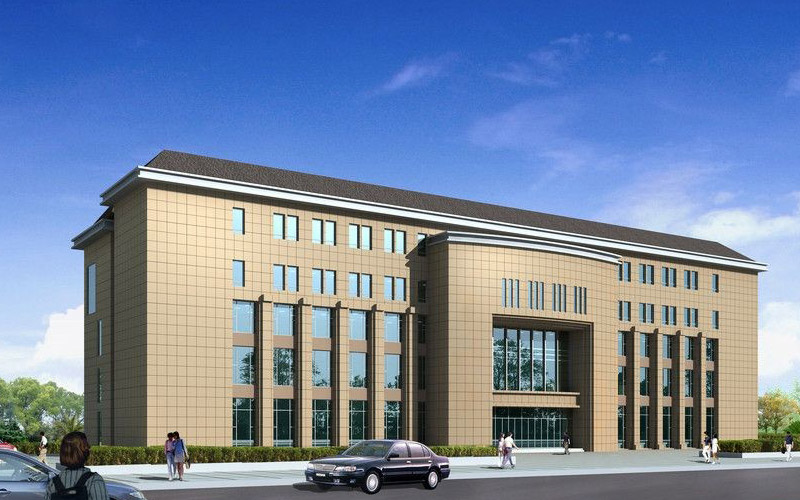
【Widespread Applications】
Thanks to its numerous advantages, some green and energy-saving technologies in the light steel building system have entered China’s modern construction market in recent years, achieving good application results.
Prefabricated Exterior Wall Enclosure System. According to Zhang Jianwei, Dean of the Planning Institute of the China Passive Integrated Building Materials Industry Alliance, adding a layer of thermal insulation material to the exterior side of the building’s external wall filling layer can form an external thermal insulation system. Compared with traditional internal thermal insulation systems, the external thermal insulation system has significant advantages in terms of indoor usable space area, spatial practicality, and preventing structural deformation caused by temperature changes. The external structure of cold-formed thin-walled steel can adopt external composite insulation; multi-layer insulation can be assembled on-site as needed, or prefabricated into external composite insulation panels in factories. Different insulation material combinations can be used according to different climatic regions.
Light Steel Thermal Insulation Composite Integrated Prefabricated Wall. Also known as the panel wall structure, this system integrates light steel keels and thermal insulation materials through autoclaving and mechanical processing/pressing to form panels that compose the shell structure. The thickness can be adjusted according to climatic regions. This structure features a thermal bridge-free design, excellent thermal insulation, seismic resistance, and wind resistance, as well as high horizontal, vertical, and shear load-bearing capacities. Replacing traditional materials with light steel profiles achieves the goals of energy conservation and environmental protection.
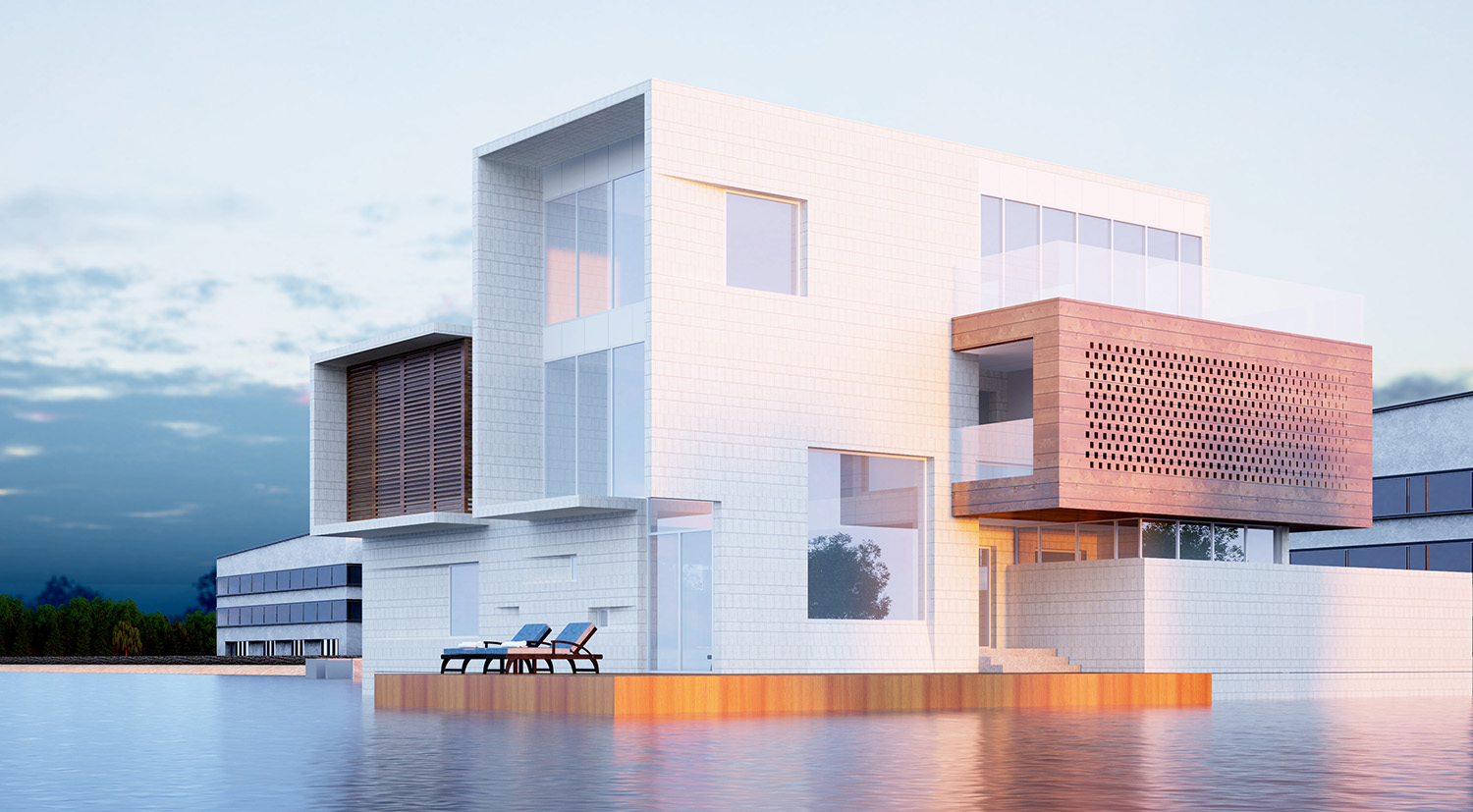
Components of light steel structure houses can be mass-produced in factories, with only on-site assembly required. This realizes the standardized prefabrication of components and on-site assembled construction of houses, making it a relatively mature prefabricated building system and a key development direction of future prefabricated construction.