
State-Issued "Cooperative Housing Permits" Allow Urban Residents to Build Homes in Rural Areas!
Since ancient times, housing and land have been the foundation for people to settle down and make a living. Throughout China's historical development, land management has become increasingly stringent. As early as 1987, relevant policies and regulations were formulated and promulgated, such as the "one household, one housing plot" rule, and in 2008, it was further stipulated that a "housing construction permit" is required to build houses.
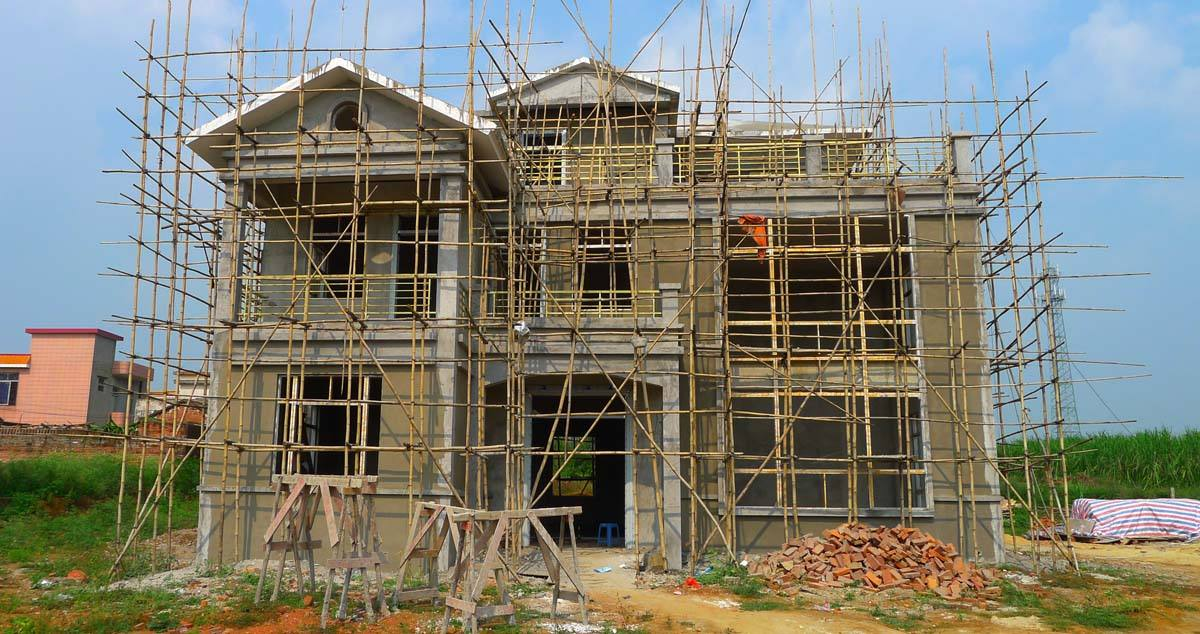
Only with these two documents can one build a house legally and in compliance with regulations. Although rural areas have relatively loose management, the use of rural residential land is quite chaotic, with phenomena such as "one household, multiple plots" and unauthorized development of farmland—all of which are illegal. These issues have placed rural development in a major predicament. In recent years, relevant policies have tilted toward rural areas to encourage their rapid development. The main challenges facing rural areas are, on the one hand, the outflow of population and, on the other hand, the lack of capital inflow and development opportunities. How can rural areas achieve genuine development?
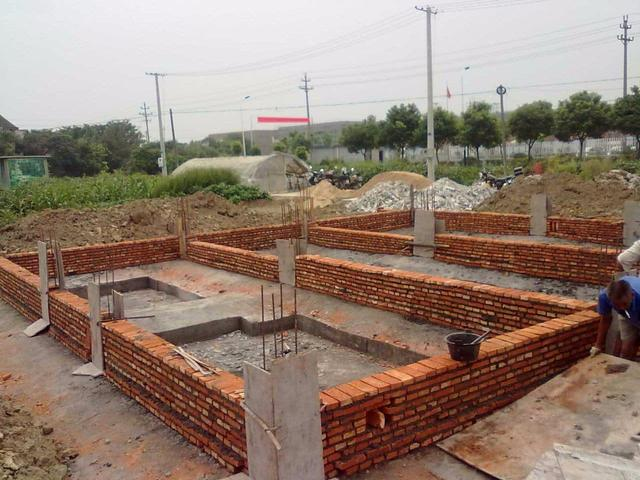
Rural residential land cannot be traded, making it impossible for many urban residents to live in rural areas. How to solve this problem? In fact, many urbanites enjoy rural life, and their first step upon arriving in rural areas is to purchase rural residential land. However, due to early policies, rural land is owned collectively by villagers, and farmers only have the right to use it—thus, private purchase contracts between individuals are invalid.
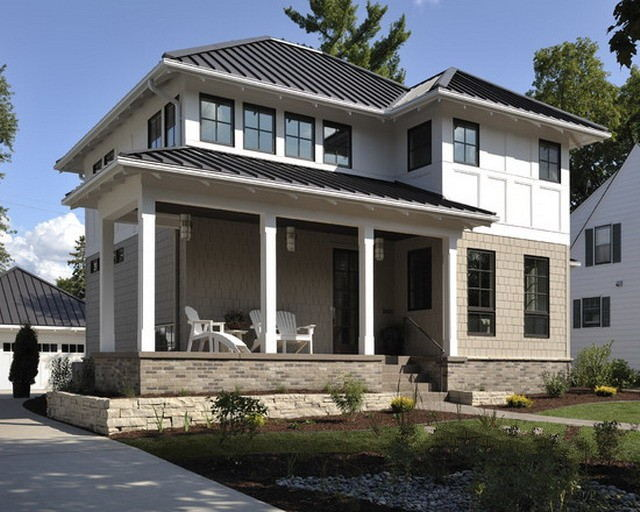
This has prevented many urban residents from moving to rural areas. Recently, to support rural economic development, a new policy has been introduced, proposing that rural residential land use rights be shared between farmers and non-resident individuals (including urban residents). The issuance of this policy has also attracted many urbanites to invest in rural housing. It effectively breaks down the barriers between urban and rural development, encourages urban residents to build houses and develop the economy in rural areas, and provides momentum for rural economic growth.
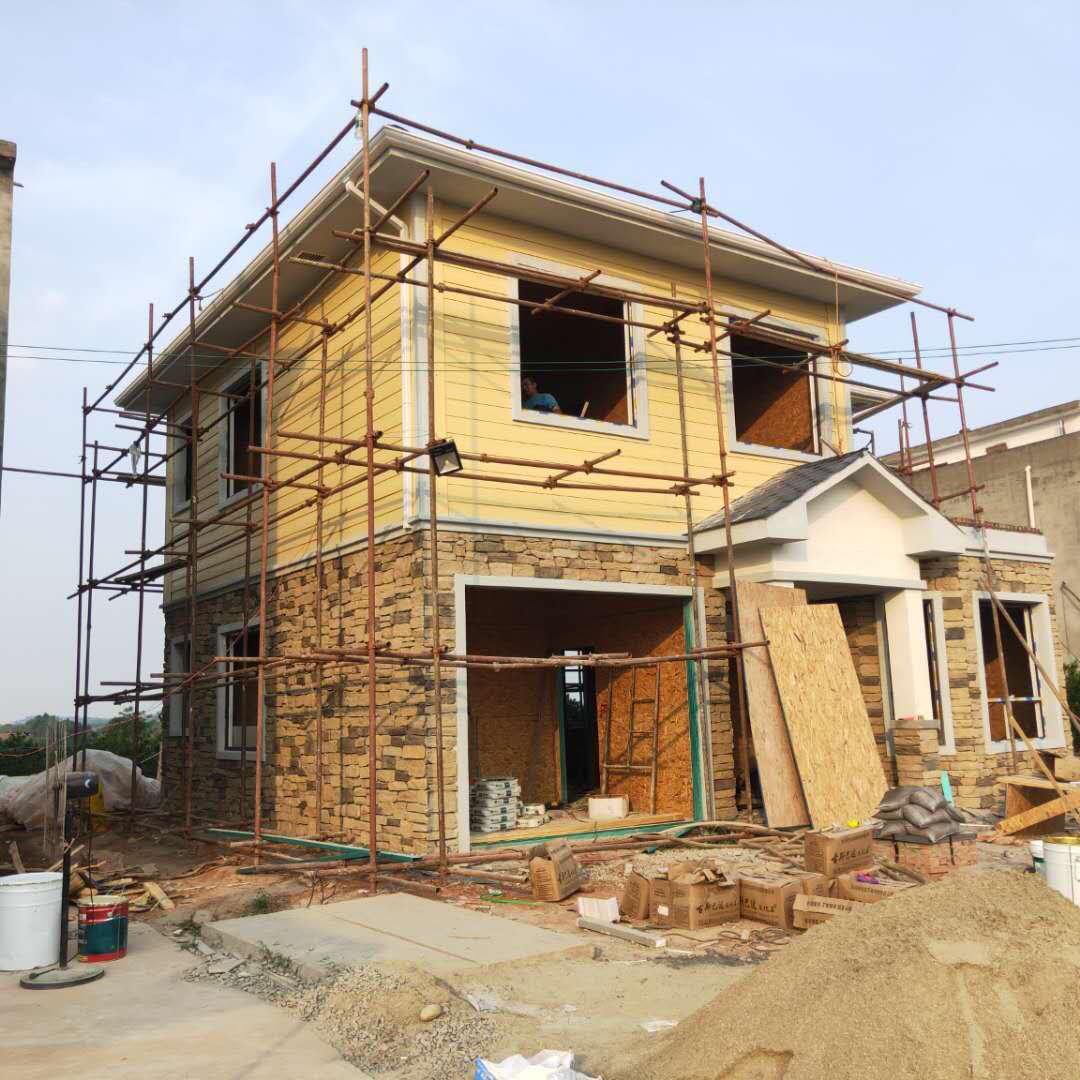
In the past, people believed that building houses in rural areas offered little economic benefit. In fact, the key development prospect lies in effectively addressing the drawback of rural economies being overly dependent on primary industry, and expanding the secondary and tertiary industries. For example, attracting external investment and developing tourism and supporting facilities. In some regions, "cooperative housing permits" have already been implemented, and this will become a development trend in the future. Many rural areas boast beautiful scenery and unique characteristics, offering vast development space. Urban residents moving to rural areas can develop more promising industries: leveraging the livable environment to develop the elderly care industry, thereby attracting foreign investment and expanding the industrial chain; or utilizing local features to develop leisure tourism, which in turn drives the construction of supporting facilities and promotes rural economic development. With the advent of cooperative housing, three types of rural residential land will become particularly valuable in the future—check if you have any!
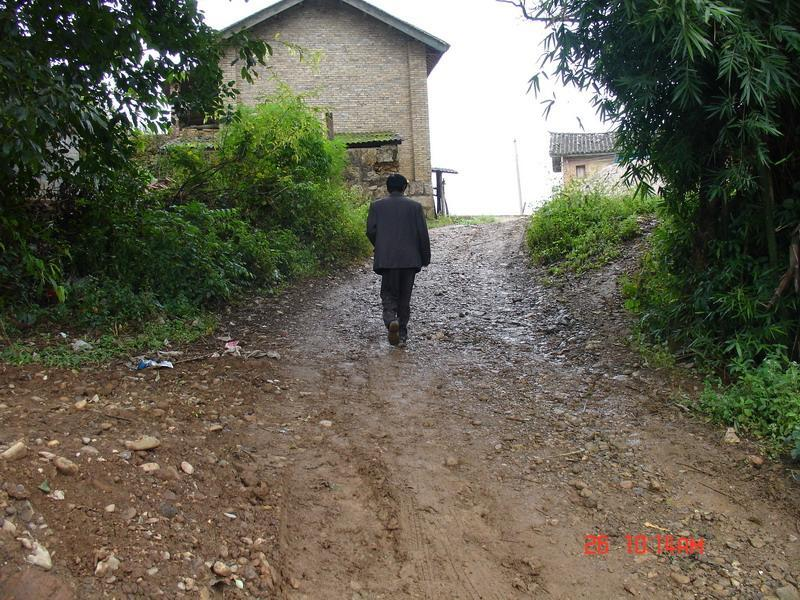
1. Rural Residential Land Along Roadsides
Thanks to their unique location, these plots have higher market value. Rural areas often face poor transportation conditions, so houses near roads offer greater usability and higher value. Rural housing is scattered with narrow roads; some underdeveloped areas even lack paved roads, making travel extremely difficult—especially on rainy days when roads become muddy. Due to the large number of houses and extensive land occupation, traveling from one end of the village to the other can take a long time. For these reasons, houses along roads serve as key hubs connecting rural areas with the outside world, thus possessing higher value. Moreover, plots with advantageous locations (high foot traffic, wide roads) offer greater development opportunities, such as building supermarkets, restaurants, or recreational facilities.
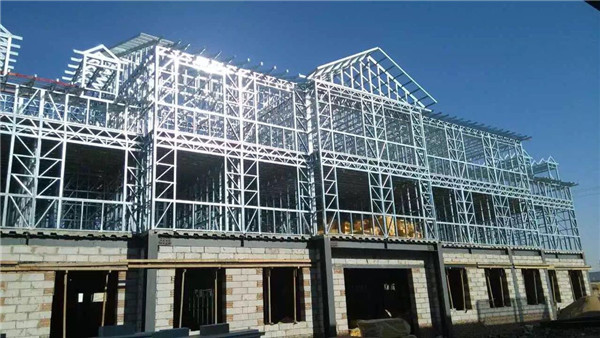
2. Rural Residential Land Close to Urban Areas
China has a vast land area. Although a region may be classified as rural, there is a significant development gap between houses near urban areas and those far away. As cities continue to expand, many real estate developers have set their sights on developing rural areas close to cities. Consequently, many such regions have gradually been incorporated into urban planning, leading to urban renewal and redevelopment projects. Therefore, rural residential land near urban areas holds great development potential. These plots have two development paths: on the one hand, owners can wait for demolition and receive compensation; on the other hand, they can leverage their unique location to alleviate urban pressure—for example, renovating rural houses and renting them out at affordable prices to generate income.

3. Land in Scenic Areas
Traditionally, rural areas rely heavily on primary industry (agriculture) for subsistence. However, the true development of a region depends on the secondary and tertiary industries. Driven by broader social trends, many areas have achieved leapfrog development through the tertiary industry. Many rural areas have utilized their unique scenic resources to develop tourism, attracting visitors by combining natural environments with supporting facilities and boosting economic growth. Tourism development also requires a full range of supporting services, such as farm stays (nongjiale), which not only provide abundant local cuisine and livable environments but also allow tourists to experience rural life firsthand—with opportunities to sell local handicrafts. Tourism development not only relies on local investment but also attracts relevant external capital, forming a complete industrial chain. With economic growth, rural land becomes even more valuable.
Rural development cannot be separated from national policy support. In recent years, the Chinese government has issued relevant policies to encourage urban-rural cooperative housing. Farmers can obtain capital by leasing or sharing their land use rights, which not only addresses land waste but also increases farmers' land-related income, providing significant impetus for rural economic development.
"Cooperative housing" has already launched pilot projects, laying the foundation for the future use of rural residential land. It is believed that these initiatives will yield excellent results. A reminder: when signing contracts, farmers should exercise due diligence to protect their legitimate rights and interests, and avoid falling victim to fraud due to carelessness.