
The Future Development Path of Prefabricated Buildings!!
2025-11-26
As prefabricated buildings spread like wildfire, they bring new vitality to the industry while the construction industry's format may face reshuffling and restructuring.
Construction Positions: Masons Face an Uncertain Future, Assemblers Have a Promising Outlook
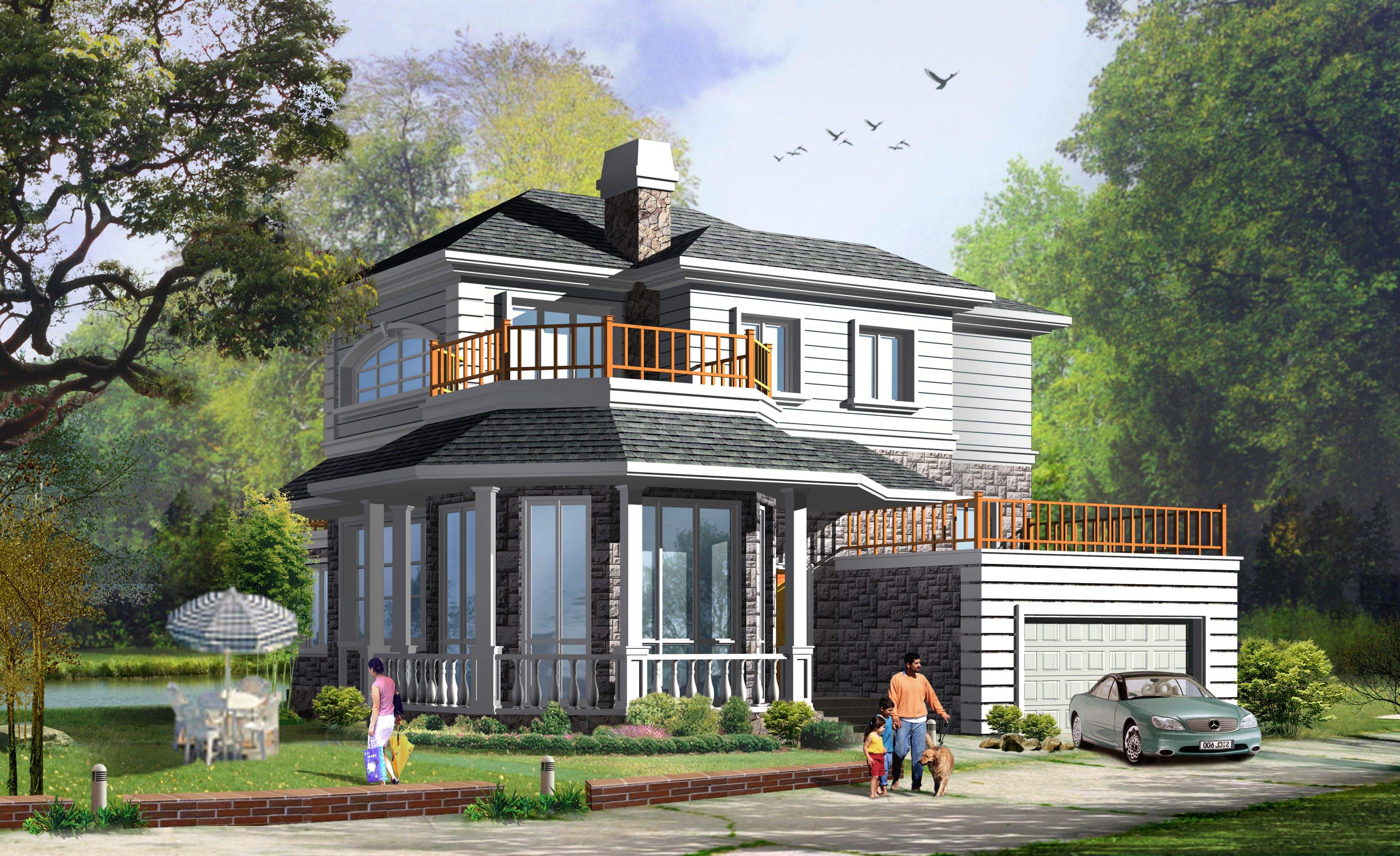
"A 30-story high-rise building can be completed in as little as 180 days with only 12 workers using prefabricated construction technology." This efficiency is astonishing, because building a 30-story high-rise in 180 days would be simply a pipe dream with traditional construction methods.
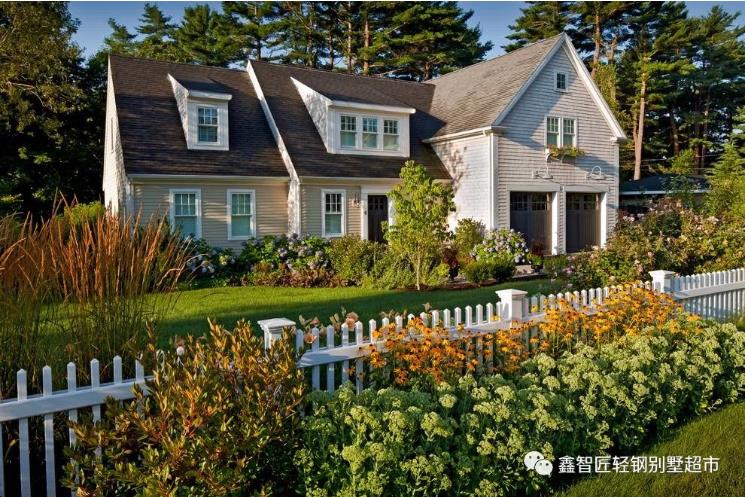
Experts point out that the old format of the construction industry is characterized by "high growth rate, large scale, many opportunities, low profit margins, old models, and stable profitability." In the past, a large number of enterprises and personnel have flocked to the construction industry. However, with the development of prefabricated buildings in the future, the differentiation within the construction industry will become fierce, and a large number of enterprises and practitioners will inevitably withdraw.
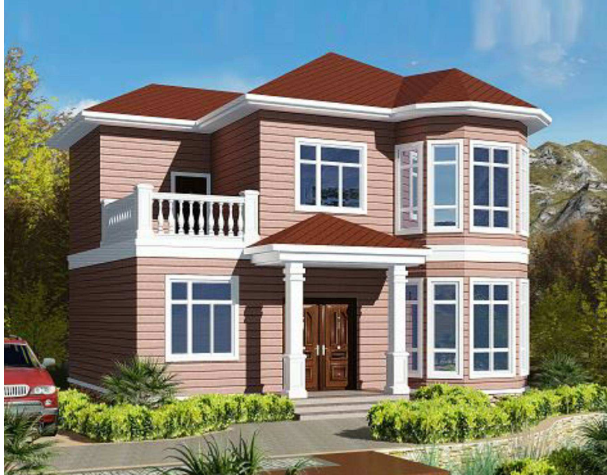
According to incomplete statistics, there are no fewer than 50 million employees in China's construction industry currently, forming an extremely large team. In recent years, the traditional "human wave tactics" style of construction production organization—due to its heavy reliance on manual labor, numerous simple and repetitive tasks, and low technological content—has led to generally low operational efficiency in the construction industry, high raw material consumption, and prominent environmental pollution problems. This habitual practice of on-site construction, on-site masonry, and workers moving with projects can no longer meet the development requirements of "energy conservation and carbon reduction" and "green environmental protection" in today's world. In contrast, the prefabricated construction method, which "takes the construction industry towards industrialization," is an effective way to make up for the shortage of highly skilled labor in the construction industry at this stage. Through the production method combining factory prefabrication and on-site assembly, industrialization not only shortens the construction cycle but also reduces reliance on manual labor and labor skills. This means that with the development of prefabricated buildings, the "human wave tactics" will no longer be popular in the construction industry in the future.
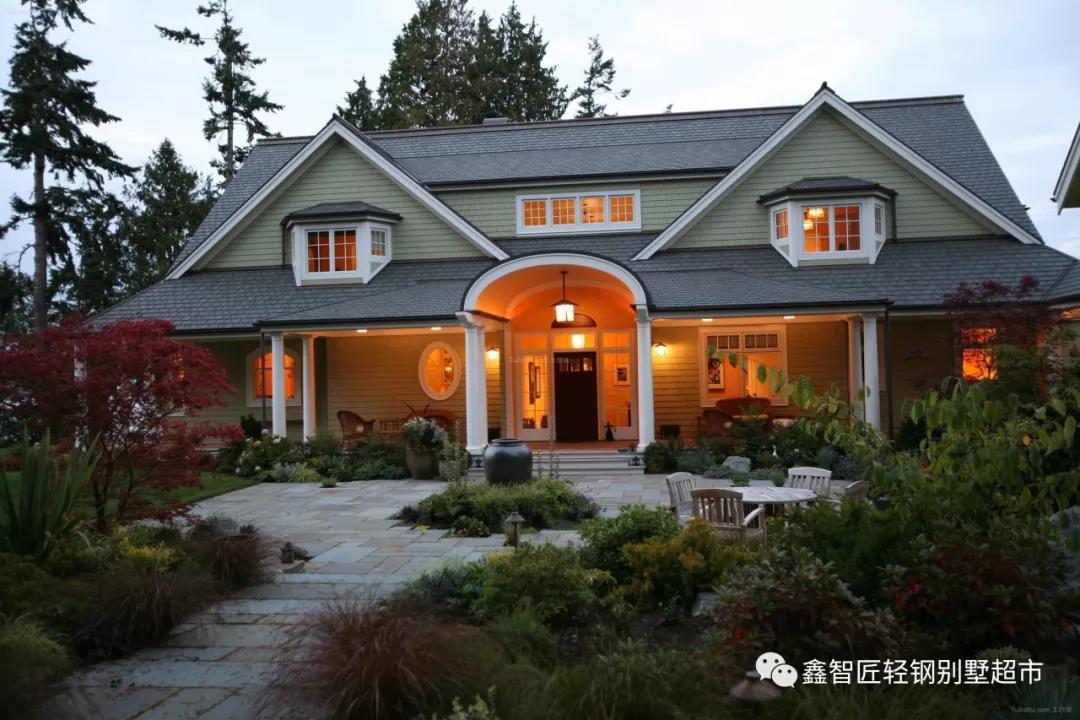
There are many positions in the construction industry. For civil engineering alone, there are carpenters, masons, plumbers, electricians, welders, steel fixers, scaffolders, plasterers, putty workers, curtain wall installers, pipeliners, concrete workers, and other positions. Insiders analyze that for light steel prefabricated buildings, on-site operations of workers include assembling, positioning, placing, installing, and other steps, so the demand for positions such as masons and concrete workers will be greatly reduced. At the same time, after adopting prefabricated construction methods, assemblers, carpenters, and some highly skilled positions may become increasingly popular.
It is certain that with the gradual promotion of prefabricated buildings, the required labor force will become more and more streamlined. A large number of the 50 million construction workers will inevitably withdraw. At that time, how to solve the resettlement of surplus labor caused by mechanized production replacing manual work will be a major issue facing the industry.
Market Pattern: SMEs Face Challenges, Steel Structure Enterprises Embrace New Life
What impact will the promotion of prefabricated buildings have on construction enterprises, the main market players?
It should be said that a few years ago, construction enterprises generally held a wait-and-see attitude, and most of those testing the waters of prefabricated buildings were private enterprises. However, with the strong call from the government, enterprises' attitudes towards prefabricated buildings have undergone obvious changes in recent years. Some large state-owned enterprises have followed suit one after another, increased investment in industrialization, and promoted the development of new-type construction industrialization and building energy conservation.
Currently, powerful leading state-owned enterprises are acting as the main force in promoting prefabricated buildings, while a large number of small and medium-sized construction enterprises still have many concerns. In China, due to insufficient policy incentives, lack of innovation capacity, inadequate technical maturity, and other reasons, engaging in prefabricated buildings often requires large investment and high costs, making SMEs hesitate to move forward. The boss of a small construction enterprise said pessimistically: "At present, only a small number of state-owned central enterprises, private enterprises with relatively reasonable product structures, forward-looking layouts, and good reputations can enter the field of construction industrialization and prefabricated buildings. It is difficult for small and medium-sized construction enterprises to participate."
Is it really the case that "the strong always get stronger and the weak always get weaker"? Do SMEs really have no opportunities? "Every SME has its own characteristics: some are good at construction management, some at processing and manufacturing, and some even at certain segmented fields such as doors and windows, building materials, and construction machinery. Enterprises should develop according to their own advantages and characteristics, rather than all investing in building large factories and engaging in large and comprehensive full-industry chain production. They should focus on intensive cultivation around products based on their own technical characteristics and financial strength."
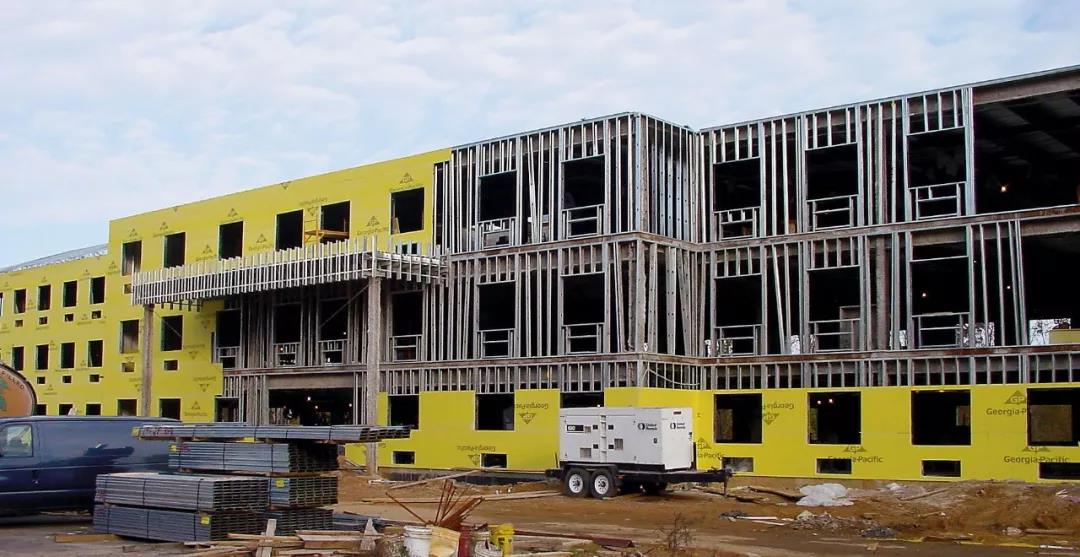
Promoting prefabricated buildings inherently involves developing steel structure buildings. "Now we are making great efforts to build houses, which may become piles of construction waste in the future. But steel structure buildings are different—they can be recycled, and they have short construction periods, low energy consumption, and good seismic performance, which are more in line with the requirements of 'green buildings' under the new situation," said an expert from the China Construction Metal Structure Association. Therefore, the promotion of prefabricated buildings is undoubtedly beneficial to steel structure enterprises.
Similarly, it is also an opportunity for iron and steel enterprises. According to a person from a steel structure enterprise, the steel consumption for building 20-30-story buildings is generally 60 kg~70 kg per square meter. Most of this steel is domestic, and domestic steel enterprises can produce it. Therefore, we should encourage more powerful iron and steel enterprises to enter the field of industrialized prefabricated buildings to promote the better and faster development of industrialized buildings. Independent development or strong-strong cooperation are both options that steel enterprises can adopt. "Steel enterprises need to think deeply about whether to enter the field of industrialized prefabricated buildings at the right time—it is a major strategic issue."
Future Outlook: Model Bases Blossom Everywhere, New Things Emerge One After Another
Prefabricated buildings will bring changes to the industry and also new vitality. Among them, modern model bases of the construction industry featuring prefabricated buildings may become a unique scenery.
It is reported that through the vigorous promotion during the "12th Five-Year Plan" period, by 2015, 56 national residential industrialization bases and 11 residential industrialization pilot cities had been established nationwide, and the industry as a whole showed a vigorous development trend.
"All flowers bloom together, making the garden full of spring"—the future of prefabricated buildings is worth looking forward to. Sichuan Xinzhijiang Prefabricated Building Technology Co., Ltd. will grow into a powerful prefabricated construction enterprise with the development of the industry.
Sichuan Vacation Facilities, Qingbaijiang Light Steel Houses, Suining Light Steel Keels, Xindu Light Steel Workshops, Xindu Prefabricated Buildings