What Are the Differences Between Light Steel Villa Keels and Ordinary Light Steel Keels?
2025-11-26
Many people often mistake light steel villa keels for light steel ceiling keels, assuming they are the same material. In reality, although both are generally referred to as "light steel keels" and belong to steel structure keels, there are significant differences between them in terms of material, overall design, construction, and production. Below is a detailed comparison of light steel villa keels with light steel ceiling keels and partition keels.
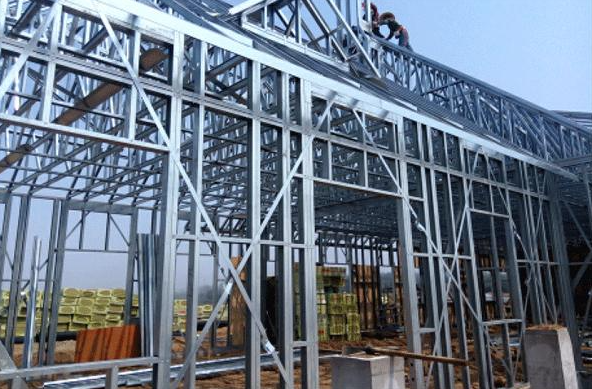
Light Steel Villa Keels
1. Material
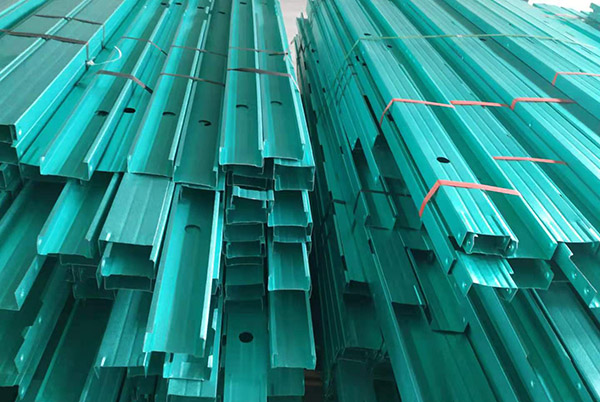
Commonly used materials for light steel villa keels are G550 steel strips with a galvanization layer of 150-275g/m², thickness of 0.8-1.6mm, and width of 183mm or 234mm. Popular specifications include 89mm and 140mm width options. The specific material selection depends on the overall load-bearing structure of the house.
2. Design
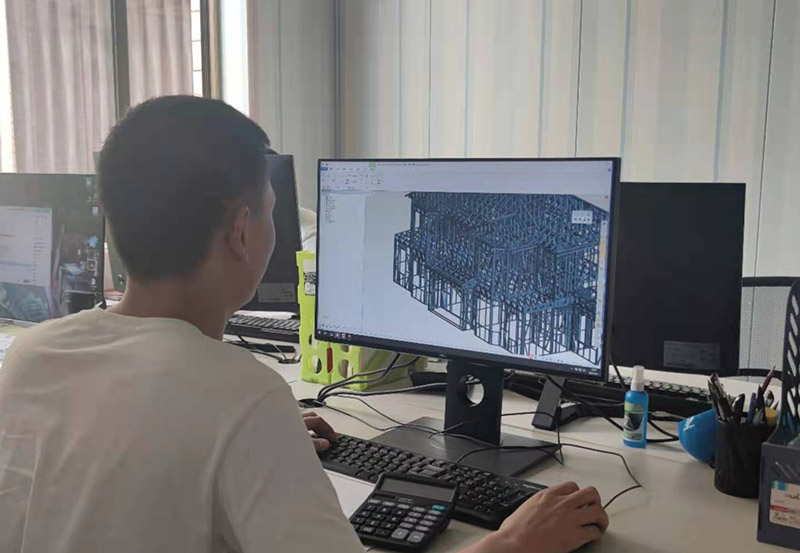
Light steel villa keels require customized design before the production of light steel villa components. Factors such as the construction location, local soil conditions, house layout, number of floors, main load-bearing structure, and personalized design requirements vary for each house, resulting in different stress-bearing conditions. Designers conduct in-depth customized structural design based on local factors, and use professional drawing software (Vertex BD is widely used in China) for structural stress analysis, load calculation, and personalized design. The keels for walls, floors, and roofs are reinforced to ensure stable load-bearing capacity, meeting the requirements of light steel building technical standards and guaranteeing the structural integrity and safety of the villa.
3. Production
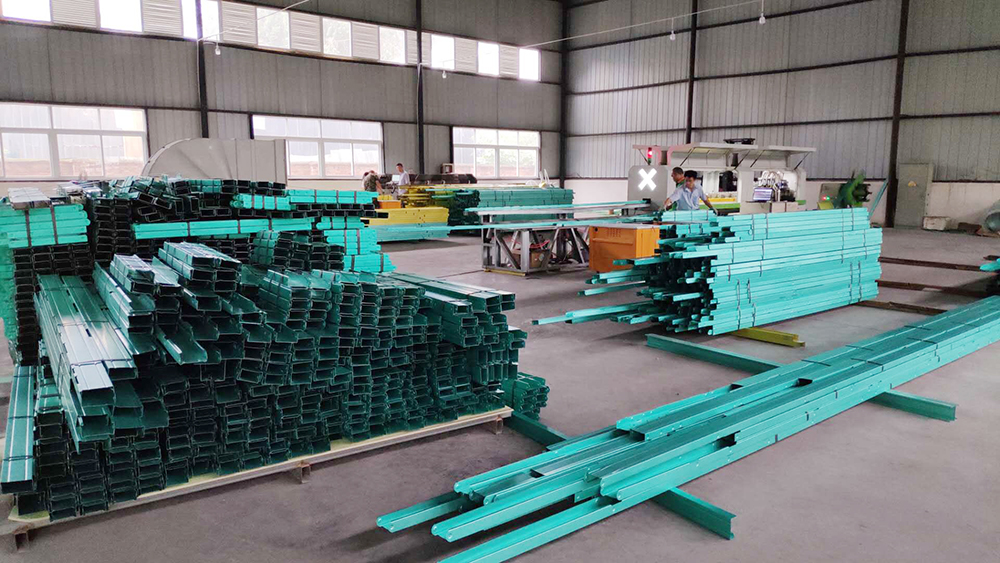
Light steel villa keels are manufactured using specialized equipment. Production data is exported from drawing software, transferred to the equipment via USB drive, and processed through automatic recognition. The production process typically includes punching, trimming, roll forming, barcode labeling, and cutting to produce the complete set of structural keels for a house.
4. Construction
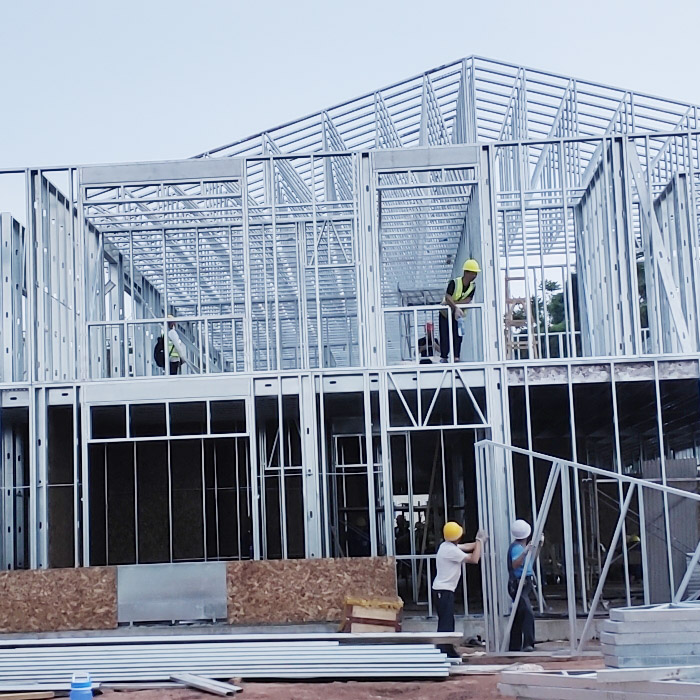
The installation of light steel villa keels must follow the pre-designed assembly drawings, similar to building with blocks. On-site cutting of keels or modifications to the house structure are strictly prohibited, as this may compromise the structural integrity of the building.
Light Steel Ceiling Keels
1. Material
Common light steel ceiling keels on the market are made of continuous hot-dip galvanized steel strips with a thickness of no less than 0.8mm.
2. Characteristics & Application
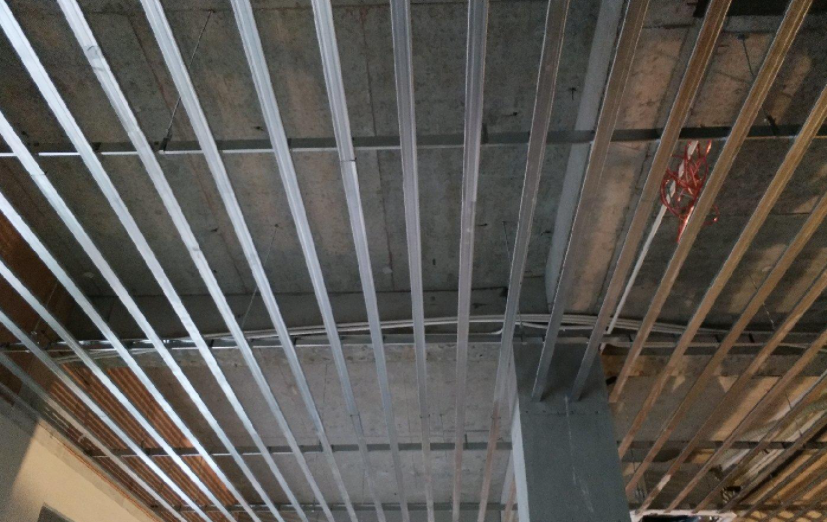
Also known as "suspended keels," light steel ceiling keels are typically hung from concrete slabs using threaded rods during ceiling renovation. Decorative materials are then installed below the keels. Unlike light steel villa keels, they do not require pre-customized factory design; instead, mass production is possible after a single mold customization. The production process also involves punching, trimming, roll forming, and cutting. On-site cutting is allowed based on actual needs, ensuring convenient construction.
Light Steel Partition Keels
1. Material
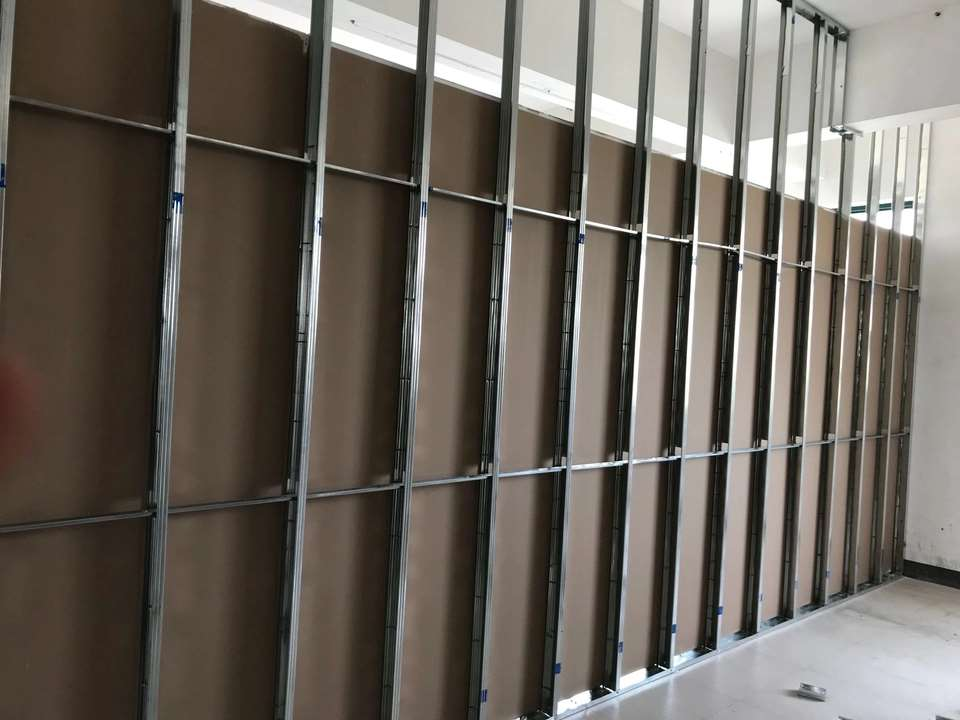
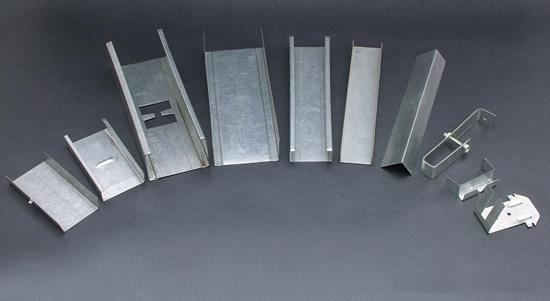
Common light steel partition keels are made of continuous hot-dip galvanized steel strips with a thickness of no less than 0.8mm. A complete set of partition keels includes three main components: top track keels, vertical studs, and cross braces—none of which require customized design like light steel villa keels. Mass production is achievable with a single mold.
2. Structure & Application
Top track keels are installed at the junction between the partition and the ceiling, while bottom track keels are laid at the junction with the floor. Vertical studs provide vertical support, and cross braces are inserted horizontally between vertical studs for reinforcement. Subsequently, gypsum boards, double-sided steel wire meshes, or hollow mesh panels can be attached for wall casting.