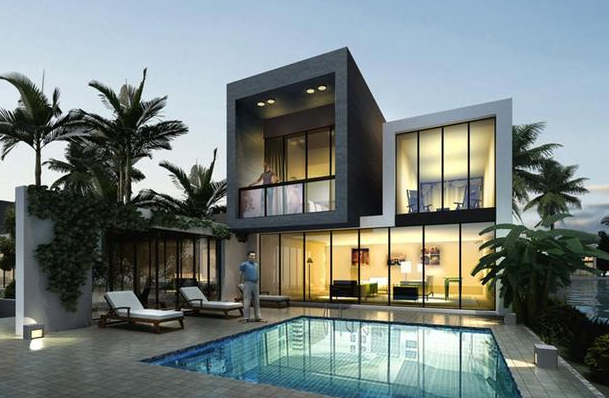
Why Is Xinzhijiang's Prefabricated Heavy-Light Steel Villa So Special?
Why has prefabricated construction become so popular in recent years? What exactly is a prefabricated heavy-light steel villa? Today, we will give you a detailed explanation—don’t miss out if you’re unfamiliar with the concept! Before diving into prefabricated heavy-light steel villas, let’s first understand what prefabricated construction is.
What is Prefabricated Construction?
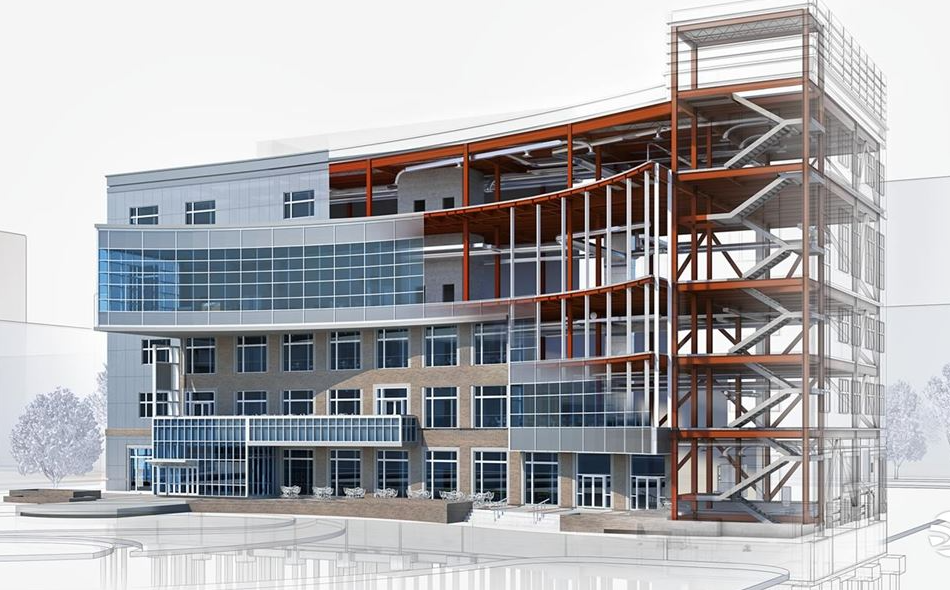
Prefabricated construction refers to buildings constructed by transporting factory-manufactured precast components (including beams, columns, floor slabs, internal and external wall panels, doors, windows, stairs, and connection joints) to the construction site and assembling them using reliable installation methods. Well-known examples include PC (Precast Concrete) components and our focus today—prefabricated heavy-light steel villas—both outstanding achievements in this field.
What is the Market Prospect of Prefabricated Heavy-Light Steel Villas?
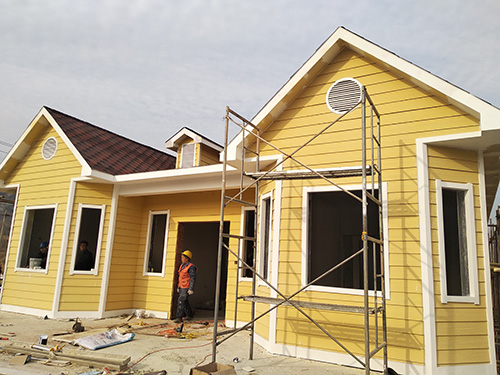
Current trends in rural development include building beautiful new villages, advancing urbanization, poverty alleviation, environmental protection initiatives, and supply-side structural reform. China’s State Council has also issued the Guiding Opinions on Vigorously Promoting Prefabricated Construction. Adopting prefabricated methods saves resources and energy, reduces pollution such as dust and noise, and improves construction efficiency and quality. It is expected that prefabricated buildings will account for 30% of total construction within the next decade, indicating extremely broad market prospects.
What are the Application Scenarios of Prefabricated Heavy-Light Steel Villas?
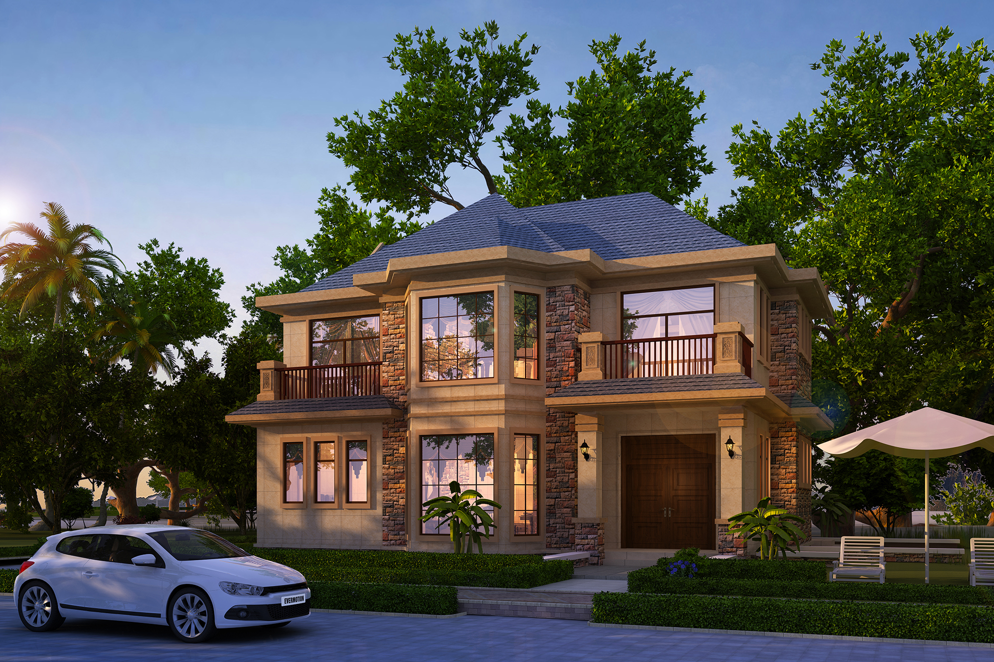
They are suitable for rural self-built houses, private villas, schools, apartments, resettlement housing, vacation homes, clubs, base housing, nursing homes, kindergartens, hospitals, office buildings, hotels, and guesthouses. With excellent performance and strong functionality, they meet the needs of various sectors. As an innovative structural construction method, prefabricated heavy-light steel villas mainly use national standard H-section steel for the frame, assembled through precise calculations. Due to the unique properties of the materials, their advantages—both in external design and internal comfort—are unmatched by traditional brick-concrete structures.
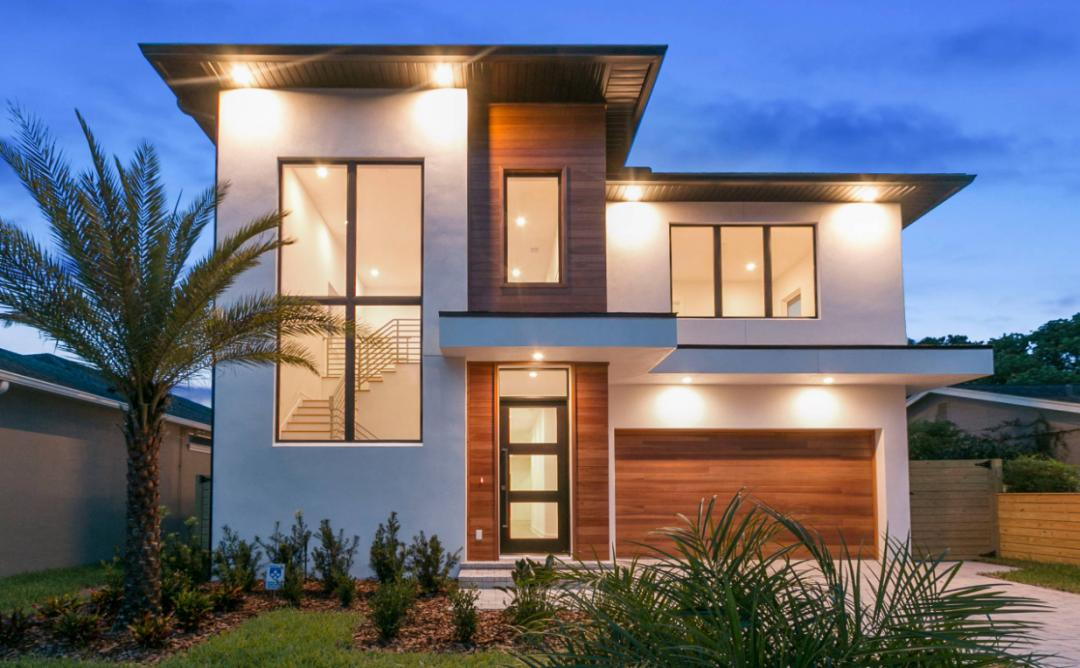
Next, we detail the core features of prefabricated heavy-light steel villas:
(1) Main Structure
Prefabricated heavy-light steel villas adopt national standard H-section steel as the keel. As we all know, steel’s ductility is far superior to that of concrete. Many aesthetically designed blueprints cannot be realized or replicated with red bricks, but prefabricated heavy-light steel villas can achieve such effects effortlessly.
(2) Internal Configuration
Leveraging its inherent advantages, prefabricated heavy-light steel villas prioritize residential comfort—an increasingly important demand for modern homeowners. They use new high-strength composite solid wall panels as the wall material, which not only offer excellent thermal insulation and soundproofing but also possess fire and water resistance properties.
(3) Safety
The frame structure of prefabricated heavy-light steel villas is closely integrated with the foundation through embedded parts to form an overall load-bearing system. Many high-rise buildings already use heavy steel structures, a testament to their reliability validated by the market.
(4) Environmental Friendliness
Prefabricated heavy-light steel villas emerged as a result of the construction industry’s upgrade driven by environmental protection requirements. Compared to brick-concrete buildings, they avoid resource waste caused by clay brick kilns. Additionally, the thinner walls of heavy steel structures increase usable floor space compared to brick-concrete structures. When compared to reinforced concrete buildings, 100% of the steel in heavy steel structures can be recycled, and 85% of other auxiliary materials are recyclable or reusable. In contrast, concrete cannot be recycled and becomes construction waste, causing environmental pollution.
(5) Efficiency
Thanks to factory prefabrication, on-site construction only involves assembly, significantly shortening the building cycle. According to standard specifications, a 200-square-meter villa can be completed in approximately 35 days.
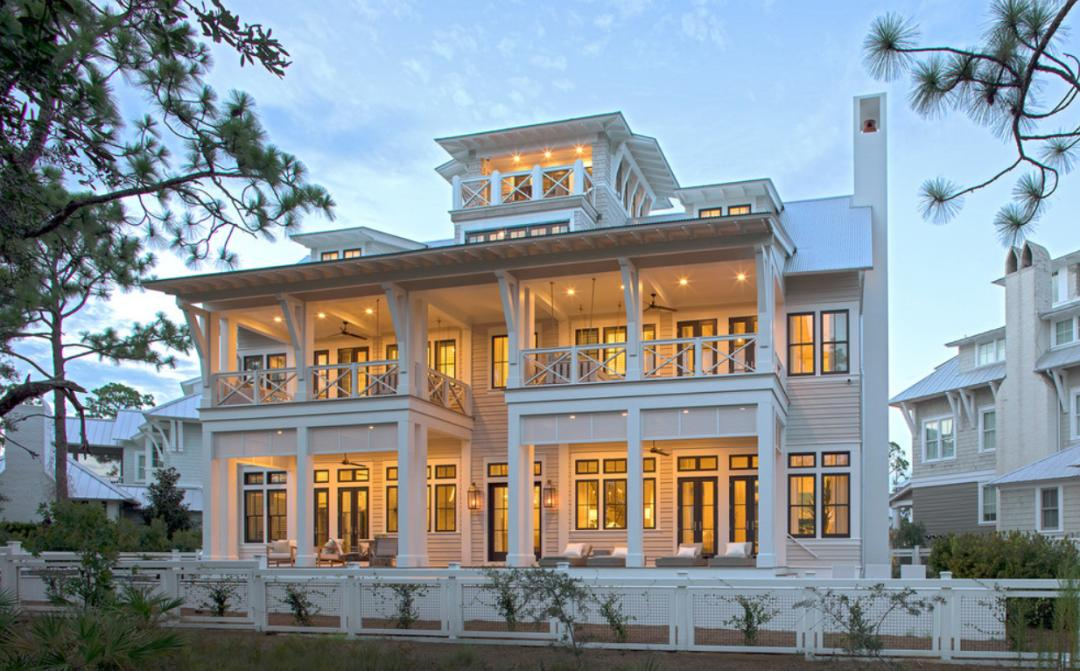
Prefabricated heavy-light steel villas reflect the rapid advancement of prefabricated construction technology in China and cater to the diverse demands of the rural self-built housing market. With their outstanding performance, they have gained widespread recognition in rural areas. However, they also raise questions: Are prefabricated heavy-light steel villas worth building? How good are they actually?
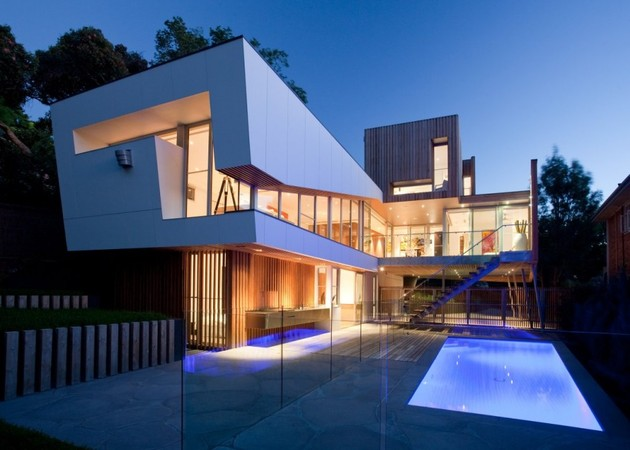
Will Prefabricated Heavy-Light Steel Villas Rust?
First, refer to relevant data: The minimum service life of steel structures is 50-70 years, as specified by national standards. Secondly, prefabricated heavy-light steel villas undergo a rigorous three-step anti-corrosion process, significantly extending the steel structure’s service life to a designed 100 years. Finally, a basic fact: Steel rusts due to oxidation by air or corrosion by rainwater. After the completion of a prefabricated heavy-light steel villa, the entire steel structure is not exposed but encapsulated within the building’s main body, making it highly resistant to air oxidation and rainwater corrosion. Thus, the risk of rust is greatly minimized.
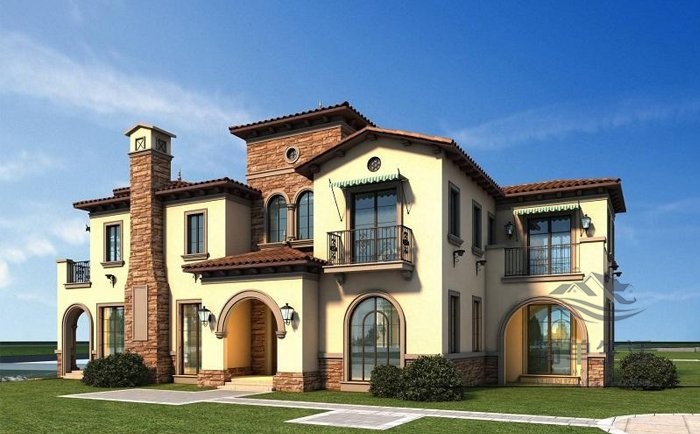
The conclusion is straightforward: If rust-related safety hazards were a concern, would the Chinese government vigorously promote prefabricated heavy-light steel villas, or would such products survive in the market? Steel structure prefabrication has a long history, widely used in super-large and high-rise buildings with mature technical advantages and processes. Clearly, there is no need to worry about rust or safety issues.
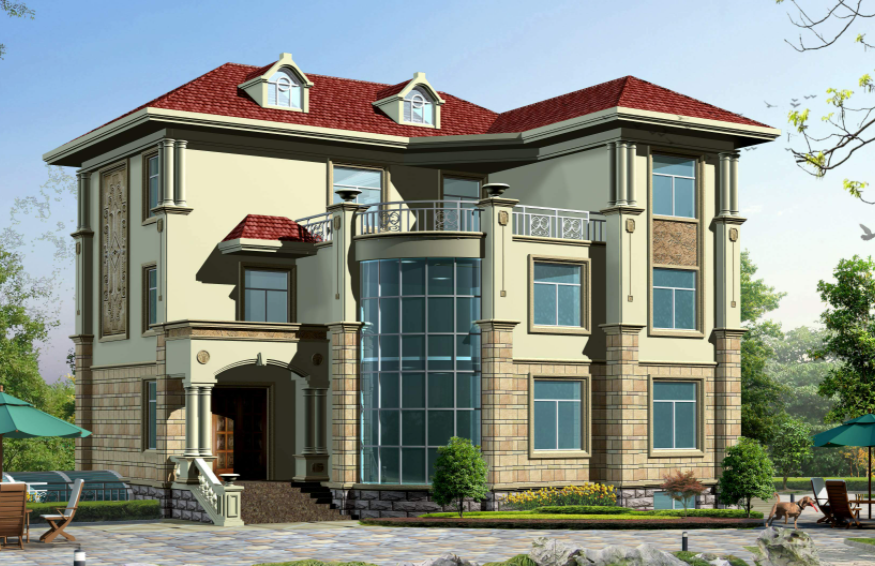
With the continuous advancement of China’s energy-saving and environmental protection policies, prefabricated heavy-light steel villas are gradually gaining acceptance due to their unique advantages. Energy-saving, green, and personalized buildings are transforming people’s residential concepts. The service life of rural self-built houses is a key concern for many, as housing investments represent significant financial commitments. Therefore, we must continuously improve materials and construction methods to extend building lifespans, meeting the needs of rural homeowners who aspire to build legacy homes.
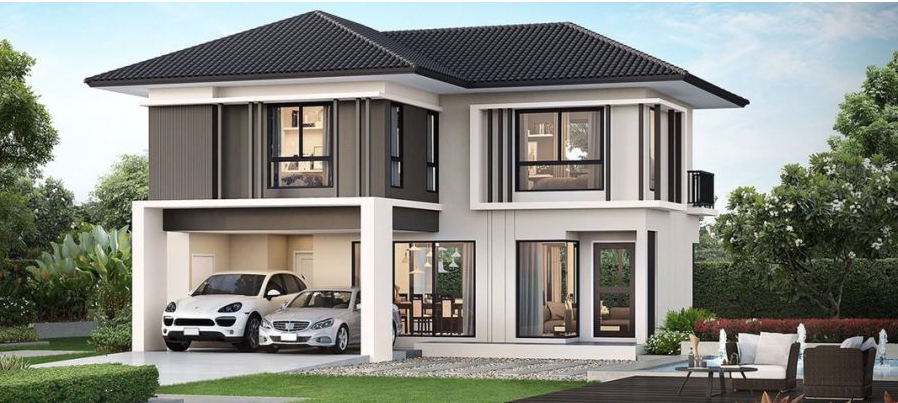
Xinzhijiang’s prefabricated heavy-light steel villas adopt independently patented heavy steel components, processed by fully digital robots with a precision of ±2mm. On-site installation requires no cutting or welding, significantly improving construction efficiency. The building standardization rate exceeds 80%, and the villas integrate seamlessly with glass curtain walls and photovoltaic roofs—truly a comprehensive low-carbon and environmentally friendly building solution.